You Won’t Believe What I Found Shopping in Hue’s Hidden Architectural Gems
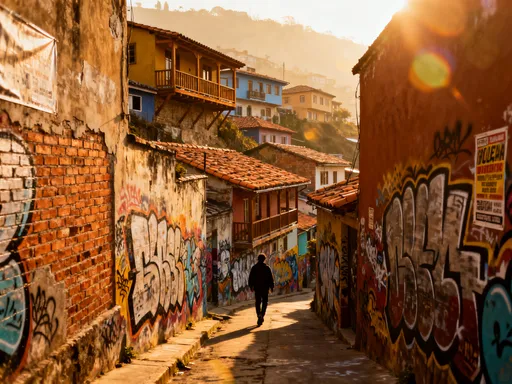
Hue, Vietnam isn’t just about emperors and ancient citadels—its streets hide a shopper’s paradise wrapped in stunning architecture. I wandered alleyways lined with French-colonial buildings and tucked-away boutiques, where traditional crafts meet modern flair. Each shop felt like a story carved in brick and wood. This is more than retail—it’s a sensory journey through history, culture, and local soul. You gotta see it to believe it.
Arrival in Hue: First Impressions of a City That Feels Like a Living Museum
Hue greets visitors with a quiet dignity that few cities possess. As the former imperial capital of Vietnam, its identity is deeply rooted in history, yet it pulses with the rhythm of everyday life. Stepping off the train or from a car along the banks of the Perfume River, one is immediately struck by the harmony between nature and built environment. Tree-lined boulevards stretch beneath canopies of frangipani and flame trees, flanked by buildings that whisper stories of dynasties past and colonial encounters. The air carries the faint scent of lotus from the river, mingling with the aroma of street food—steaming bowls of bún bò Huế, the city’s famed spicy beef noodle soup.
What sets Hue apart from other Vietnamese cities is its architectural continuity. Unlike the fast-paced modernization seen in Hanoi or Ho Chi Minh City, Hue maintains a cohesive visual language. French-colonial villas with peeling pastel walls, shuttered windows, and wrought-iron balconies stand beside traditional wooden houses with tiled roofs and open courtyards. Even newer constructions often follow local design principles, preserving the city’s aesthetic integrity. This architectural unity transforms the entire urban landscape into a living museum—one where shopping is not an interruption of culture, but an immersion in it.
The city’s layout encourages slow exploration. Wide avenues give way to narrow lanes where bicycles and motorbikes glide past homes that double as workshops. Shopfronts are often unmarked, their wares displayed under shaded eaves or within dimly lit interiors. There is no rush, no aggressive signage—just an invitation to step inside and discover. This sense of discovery is heightened by the architecture itself. Arches, courtyards, and high ceilings create spaces that feel both intimate and grand, turning even a simple purchase into a moment of reflection. In Hue, every building has a presence, and every purchase carries meaning.
The Heartbeat of Hue: Dong Ba Market and Its Centuries-Old Structure
No visit to Hue is complete without a walk through Dong Ba Market, the city’s largest and most historic marketplace. Housed in a striking 19th-century structure, the market is a marvel of industrial-era architecture adapted to tropical conditions. Its iron-truss roof, supported by elegant arched beams, spans a vast interior space that floods with diffused daylight. The design, influenced by French engineering, allows for excellent ventilation—a necessity in Hue’s humid climate. The sound of voices, clinking scales, and sizzling woks echoes beneath the vaulted ceiling, creating a symphony of daily commerce.
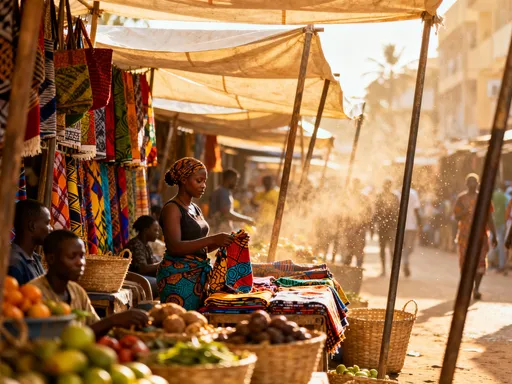
Dong Ba is more than a place to buy goods—it is a cultural institution. Generations of families have operated stalls here, selling everything from fresh river fish and tropical fruits to handmade garments and ceremonial supplies. The market’s layout follows a loose grid, with sections dedicated to specific wares. One aisle overflows with bundles of fresh herbs—lemongrass, mint, and perilla—while another displays rows of conical nón lá hats, their delicate bamboo frames covered in palm leaves. Nearby, bolts of silk in deep indigo, saffron, and emerald green catch the light, each roll representing centuries of textile tradition.
What makes Dong Ba truly special is its authenticity. Unlike tourist-centric markets in other cities, this is a place where locals come to shop, eat, and socialize. Vendors greet regular customers by name, and bargaining is done with a smile rather than pressure. The market also serves as a hub for traditional crafts. Artisans sell hand-carved wooden spoons, ceramic tea sets, and embroidered linens—all made in nearby villages using techniques passed down through generations. These items are not souvenirs in the commercial sense; they are functional objects imbued with cultural significance.
For the visitor, Dong Ba offers a sensory overload in the best possible way. The scent of roasted coffee mingles with the tang of fish sauce. The colors of ripe mangoes, red chilies, and purple eggplants create a living still life. And beneath it all runs the steady pulse of human connection. Shopping here is not transactional—it is relational. Each purchase supports a family, sustains a craft, and honors a way of life. The architecture of the market, with its open layout and high ceilings, enhances this experience by allowing space for movement, conversation, and contemplation.
Beyond the Market: Boutique Shopping in Restored French Villas
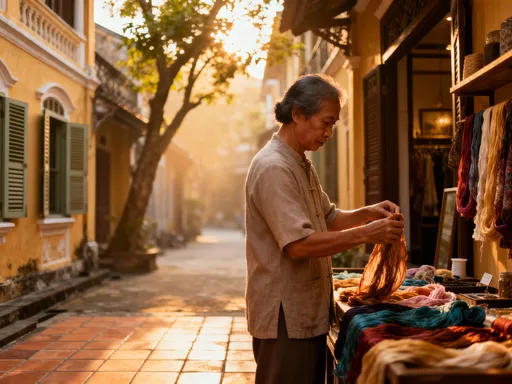
While Dong Ba Market represents the heart of Hue’s commercial life, a quieter, more curated shopping experience awaits in the city’s restored French villas. Scattered throughout the older neighborhoods, these colonial-era homes have been repurposed into boutique shops, design studios, and cultural galleries. Their transformation is a testament to Hue’s ability to honor the past while embracing the present. With louvered windows, high ceilings, and tiled courtyards, these spaces offer a cool refuge from the midday heat and a refined backdrop for artisanal goods.
One such boutique, nestled in a pale yellow villa on Lê Lợi Street, specializes in hand-stitched embroidery. The owner, a third-generation artisan, displays her work on wooden mannequins and glass cases, each piece telling a story through thread and fabric. Delicate lotus blossoms bloom across silk scarves, while dragons coil around traditional áo dài garments. The shop’s interior preserves much of the original architecture—the herringbone parquet floors, the ornate ceiling moldings, the French doors that open onto a jasmine-scented courtyard. Here, shopping becomes an act of appreciation, not just acquisition.
Another hidden gem is a lacquerware studio housed in a former diplomat’s residence. The owners have transformed the ground floor into a workshop and retail space, where visitors can watch artisans sand, polish, and inlay mother-of-pearl into glossy black trays and boxes. Many of the pieces are upcycled from damaged antiques, giving new life to forgotten treasures. The studio also offers small workshops, allowing guests to try their hand at basic lacquering techniques. The process is slow, deliberate, and deeply satisfying—a stark contrast to mass-produced decor.
These boutique spaces share a common philosophy: that beauty lies in craftsmanship and context. The architecture is not merely decorative; it shapes the experience. Cool stone floors and shaded verandas encourage lingering. Natural light filters through shuttered windows, illuminating textures and colors in a way that artificial lighting cannot. Even the sound—footsteps on tile, the rustle of fabric, the soft clink of ceramic—adds to the atmosphere. In these villas, shopping is elevated to a form of cultural engagement, where every object has a story and every space invites reflection.
Crafting Identity: How Local Artisans Blend Tradition and Modern Design
The soul of Hue’s shopping experience lies in its artisans—skilled makers who bridge generations through their work. Many operate within historic compounds or family homes, preserving techniques that have defined Central Vietnamese culture for centuries. Ceramics, silk dyeing, wood carving, and paper-making are not just crafts; they are acts of cultural preservation. What makes this tradition dynamic is the way younger artisans are reinterpreting these methods for contemporary audiences, creating what some call “design fusion” pieces that honor the past while speaking to the present.
One such collective, based in a centuries-old courtyard home near the Thien Mu Pagoda, specializes in natural dyeing using local plants. Indigo, turmeric, and jackfruit wood yield rich hues that vary with the season and the dyer’s touch. The artisans here use traditional batik and shibori techniques to create scarves, table runners, and wall hangings that are both modern in aesthetic and deeply rooted in heritage. Visitors are welcome to observe the process, from the simmering dye vats to the final rinse in the courtyard well. The space itself—surrounded by high walls, shaded by banana trees, and centered around a lotus pond—adds to the sense of timelessness.
Another workshop, run by a family of wood carvers, produces intricate panels and furniture using camphor and rosewood. The current generation has introduced minimalist designs that appeal to urban Vietnamese and international buyers, while still employing hand tools and joinery methods unchanged for generations. Their studio, housed in a converted ancestral hall, displays both traditional religious carvings and sleek side tables with subtle lotus motifs. This blending of old and new is not a dilution of tradition, but an evolution—one that ensures these skills remain relevant and sustainable.
What unites these artisans is a shared commitment to quality, authenticity, and cultural pride. They do not rush production, nor do they compromise on materials. Many participate in local cooperatives that ensure fair wages and environmental responsibility. Their spaces are not just workplaces; they are cultural sanctuaries where apprentices learn not only technique but also the values behind the craft. For the visitor, engaging with these artisans offers a rare opportunity to connect with Hue’s living heritage—one that cannot be replicated in a factory or an online store.
Walking the Streets: Architecture as a Guide to Hidden Shopping Spots
One of the greatest pleasures of shopping in Hue is the act of wandering. Unlike cities with centralized shopping districts, Hue rewards curiosity and a willingness to explore. The best finds often come not from guidebooks, but from following architectural cues—peeling paint on a colonial gate, a pagoda-inspired roofline above a narrow doorway, or a courtyard visible through an open gate. These details serve as invitations, hinting at spaces where craft and history converge.
A walk from the Imperial City toward the river reveals a tapestry of architectural styles. Near the Đông Ba Gate, traditional merchant houses with tiled roofs and carved lintels line the street, some converted into small shops selling incense, tea, and hand-bound notebooks. Further along, French colonial buildings with stucco facades and shuttered windows house design studios and cafes. In quieter lanes, entire compounds have been transformed into multi-room boutiques, where each pavilion showcases a different craft—ceramics in one, textiles in another, paper art in a third.
One particularly charming discovery is a series of shops tucked into former stables and servant quarters behind a grand villa. These modest structures, with their low ceilings and brick floors, now host micro-galleries of artisanal goods. A tiny space no larger than a closet sells hand-folded lotus lanterns made from rice paper, each one lit by a small LED to mimic the glow of a real candle. Another offers hand-painted postcards depicting historic Hue, created by a local artist who signs each piece with a delicate brushstroke.
The architecture itself guides the journey. Arches frame views of distant pagodas, drawing the eye—and the foot—forward. Courtyards, often filled with potted orchids or koi ponds, create natural pauses in the walk, inviting rest and reflection. Even the materials—stone, wood, tile, plaster—speak of permanence and care. In a world of fleeting trends, these spaces feel grounded, intentional, and deeply human. For the thoughtful traveler, architecture becomes not just a backdrop, but a map to meaning.
Practical Tips: Navigating Hue’s Architectural Shopping Scene Like a Pro
To fully appreciate Hue’s architectural shopping culture, a few practical considerations can enhance the experience. First, timing matters. The best hours to visit markets and boutiques are in the early morning or late afternoon, when the light is soft and the heat less intense. Dong Ba Market is liveliest between 6 and 9 a.m., when vendors are setting up and the freshest goods arrive. Boutiques in restored villas often open around 9 and stay open until 6, with a quiet midday lull that makes for peaceful browsing.
Respectful engagement is key. When visiting artisan workshops, it is customary to ask before taking photographs, especially of people at work. Many artisans appreciate genuine interest and are happy to explain their process if approached with courtesy. Learning a few basic Vietnamese phrases—such as xin chào (hello) and cảm ơn (thank you)—goes a long way in building rapport. Bargaining is acceptable in markets but should be done gently and with a smile. In boutiques and studios, prices are usually fixed, reflecting the true cost of craftsmanship.
Transportation within the city is best done on foot or by bicycle, especially in the central districts where narrow streets limit motorized access. Electric cyclos are also available and offer a leisurely way to cover longer distances while enjoying the scenery. For those staying outside the center, motorbike taxis (xe ôm) are convenient and affordable. It is advisable to avoid the immediate vicinity of major tourist gates, where some shops cater to mass tourism with lower-quality, imported goods.
To deepen the experience, consider combining shopping with visits to nearby cultural sites. A morning at the Imperial City can be followed by lunch at a riverside café and an afternoon exploring artisan quarters. Some travel agencies offer guided walking tours focused on architecture and craft, led by local historians or designers. These tours provide context and access to spaces that might otherwise go unnoticed. Above all, the best approach is to move slowly, observe closely, and let the city reveal itself one courtyard, one doorway, one handcrafted object at a time.
Why This Experience Stands Out: The Soul of Shopping in a Heritage City
In an age of globalized retail and instant gratification, Hue offers something rare: shopping as a form of connection. Here, every object carries the imprint of a maker, every space echoes with history, and every purchase supports a living tradition. This is not consumption for the sake of accumulation, but engagement with culture, craft, and community. The city’s architecture—imperial, colonial, vernacular—frames this experience, turning shopping into a journey through time and meaning.
What makes Hue’s architectural shopping scene truly special is its authenticity. There are no artificial heritage zones or staged craft demonstrations. The workshops are real, the artisans are at work, and the buildings have not been sanitized for tourism. This authenticity fosters a deep sense of respect and appreciation. Visitors are not passive consumers; they are participants in a cultural dialogue that spans centuries.
Moreover, this model of retail aligns with the principles of sustainable tourism. By supporting local artisans and preserving historic buildings, visitors contribute to the city’s long-term vitality. They help keep traditions alive, empower small businesses, and promote responsible development. In a world where heritage is often sacrificed for convenience, Hue stands as a reminder that beauty, history, and commerce can coexist in harmony.
Ultimately, shopping in Hue is not about what you bring home, but what you take with you—the memory of a craftsman’s hands shaping wood, the scent of indigo in a sunlit courtyard, the quiet elegance of a colonial villa turned sanctuary of art. It is an invitation to see shopping not as a chore or a luxury, but as a way of understanding a place and its people. So come with open eyes, open hands, and an open heart. Let the architecture guide you, the artisans inspire you, and the city transform you. You won’t believe what you’ll find.