Taste of Tradition: How Kamakura’s Food Tells a Story
Have you ever tasted a place and felt like you understood its soul? In Kamakura, Japan, every bite is a whisper from the past. From temple-side tofu shops to seaside matcha treats, the food here isn’t just delicious—it’s deeply connected to history, nature, and daily life. I wandered the quiet streets and discovered how local flavors reflect centuries of tradition, all while feeling surprisingly modern and alive. This is not a city of flashy dining or mass-produced snacks. Instead, Kamakura offers something rarer: meals that carry meaning, shaped by Zen philosophy, seasonal awareness, and a deep respect for craft. To eat here is to step into a slower, more thoughtful rhythm—one where flavor tells the story of a place rooted in calm and continuity.
Temple Influence: Eating Like a Monk
Kamakura’s spiritual heart beats strongest in its many temples, and nowhere is this more evident than in its cuisine. The city’s culinary identity has been profoundly shaped by shojin ryori, the traditional vegetarian cooking developed in Buddhist monasteries. More than just a diet, shojin ryori is a practice—a mindful approach to food that honors life, avoids waste, and aligns with the principles of compassion and simplicity. This cuisine excludes meat, fish, and strong flavors such as garlic and onion, not out of restriction, but as a way to purify the mind and body. Every ingredient is chosen with care, prepared with intention, and presented with quiet beauty. The result is a meal that nourishes not only the body but also the spirit.
Visitors to Kamakura can experience shojin ryori in a few authentic settings. Some temples offer overnight stays where guests are served full-course monastic meals, often eaten in silence or with minimal conversation. These meals typically include delicate grilled vegetables, simmered root crops, miso soup with house-made tofu, and rice steamed with mountain herbs. Even outside temple grounds, the influence of shojin ryori is visible in local restaurants that draw inspiration from monastic cooking. These eateries may not follow every rule strictly, but they retain the essence—seasonal ingredients, balanced flavors, and a reverence for the natural qualities of food. The emphasis is never on excess, but on harmony and clarity.
What makes shojin ryori so central to Kamakura’s food culture is its alignment with the city’s overall atmosphere. Unlike bustling Tokyo or tourist-heavy Kyoto, Kamakura moves at a gentler pace. It is a place where people walk mindfully through forested paths, pause at temple gates, and value stillness. The food reflects this. Eating a simple, plant-based meal under a wooden eave or beside a moss-covered stone garden feels less like dining and more like participating in a ritual. It is food that invites presence, not distraction. In this way, shojin ryori does more than feed—it teaches.
Local Ingredients: From Sea and Soil
The flavors of Kamakura are inseparable from its geography. Nestled between the forested hills of the Miura Peninsula and the calm waters of Sagami Bay, the city draws its sustenance from both land and sea. This dual abundance shapes a cuisine that is fresh, balanced, and deeply attuned to the environment. Fishermen still bring in daily catches of saba (mackerel), tai (sea bream), and squid, often sold at small markets or cooked the same day in family-run izakayas. On the other side, farmers cultivate vegetables in narrow terraced fields, growing daikon radishes, leafy greens, and long white negi onions known for their sweetness and crisp texture.
Seafood in Kamakura is rarely over-prepared. A common sight is saba simply grilled with a touch of salt or lightly pickled in vinegar and miso, a method that preserves freshness while enhancing flavor. Tai, considered a celebratory fish in Japan, is often served raw as sashimi or gently simmered in a delicate broth. These preparations highlight the quality of the catch rather than mask it. Similarly, vegetables are treated with respect—steamed, roasted, or pickled to bring out their natural essence. Daikon, for instance, might be slow-cooked in a soy-based stew or grated fresh as a cooling side to rich dishes.
At the foundation of it all is rice, the cornerstone of Japanese meals. In Kamakura, rice is not just a staple but a craft. Many local households and small producers take pride in sourcing rice from nearby regions, often choosing heirloom varieties grown without heavy chemical intervention. Paired with rice is miso, the fermented soybean paste that gives depth to soups and marinades. Kamakura’s miso tends to be mild and slightly sweet, reflecting the local preference for subtlety over boldness. Some shops even make their own batches, fermenting the paste in wooden barrels for months. This attention to detail—knowing where food comes from and how it is made—defines the city’s relationship with nourishment.
Street Eats with Soul: Beyond Snacks
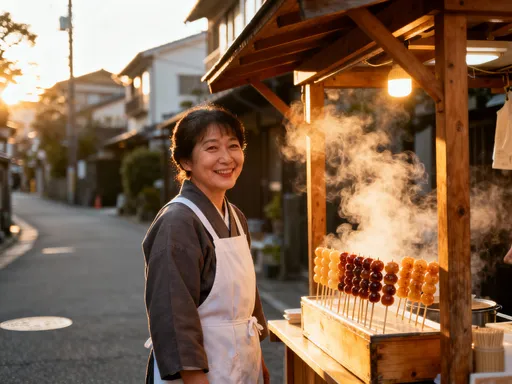
While temple meals and seafood dishes offer depth, Kamakura’s street food reveals the warmth of daily life. Scattered along narrow lanes and near shrine entrances, small stalls and family-run shops serve treats that are simple, seasonal, and full of character. These are not the flashy, Instagram-ready snacks found in major cities, but humble offerings passed down through generations. Dango, chewy rice dumplings on skewers, come in soft pastel colors—pink for cherry blossom season, green for matcha, yellow for egg. They are often brushed with a light soy glaze or wrapped in sweetened nori, offering a balance of savory and sweet that lingers on the tongue.
Another favorite is taiyaki, a fish-shaped cake filled with red bean paste, custard, or even sweet potato. Though found throughout Japan, Kamakura’s version often uses locally milled flour and house-made fillings, giving it a fresher, more delicate texture. Even more modest is yaki-imonyaki, roasted sweet potato sold from small carts, especially in cooler months. The skin chars slightly over charcoal, while the inside becomes creamy and fragrant, evoking childhood memories for many locals. These treats are more than just food—they are comfort, tradition, and connection wrapped in simple packaging.
What sets Kamakura’s street food apart is the people behind it. Many vendors have run their stands for decades, greeting regulars by name and remembering their usual orders. Some are third-generation owners who learned the recipe from a grandmother. There is a quiet pride in their work, not in being famous, but in doing one thing well. Customers often linger, chatting while they wait, turning a quick snack into a moment of community. This human touch—knowing the hand that made your food—adds a layer of meaning that no chain restaurant can replicate. It is food made with care, not for profit alone, but as a gesture of hospitality.
Hidden Cafés and Craft Culture
In recent years, Kamakura has seen the rise of a new kind of eating space—one that honors tradition while embracing modern sensibilities. Small, design-conscious cafés have quietly opened in converted homes, garden courtyards, and tucked-away alleys. These are not loud or trendy, but serene places where the pace slows and attention sharpens. Wooden interiors, soft light, and views of moss gardens or bamboo fences set the tone. Menus are often handwritten, changing with the season, and drinks are poured with care. This café culture reflects a broader shift toward mindful living, where food is not just consumed but experienced.
These cafés serve a blend of old and new. You might find warabi mochi dusted with roasted soybean flour, made in-house with a recipe passed down from a local confectioner. Or a matcha latte prepared with ceremonial-grade tea from Shizuoka, just a short train ride away. Some bakeries offer sourdough bread with a Japanese twist—infused with yuzu, or folded with red bean paste. Even Western-style dishes like quiche or salad are reimagined with local ingredients: pickled vegetables, mountain herbs, or tofu from a nearby artisan shop. The result is a cuisine that feels both familiar and fresh, rooted in place yet open to evolution.
What draws people to these spaces is not just the food, but the atmosphere. In a world of constant noise and speed, Kamakura’s cafés offer refuge. They are places to read, to write, to sit in silence, or to share a quiet conversation. Many visitors come not only to eat but to reset—to breathe deeply and reconnect with themselves. The food supports this. It is never rushed, never overly sweet or heavy. It is designed to complement stillness, not disrupt it. In this way, these cafés are more than restaurants—they are sanctuaries for the senses.
Seasonality on the Plate
One of the most profound aspects of Kamakura’s food culture is its deep commitment to seasonality. In Japan, the concept of shun—the peak moment when an ingredient is at its best—guides not just farming, but cooking and eating. In Kamakura, this philosophy is lived, not just taught. Menus change with the calendar, and entire dishes are created to celebrate a single fleeting moment. In spring, you might find tofu dyed pale pink with cherry blossom salt, served with a hint of yuzu. Summer brings cold soba noodles dipped in a rich tsuyu broth, or chilled somen served under a spray of water to stay fresh in the heat.
Autumn is a time of earthy richness. Mushrooms foraged from the surrounding hills—such as nameko, maitake, and shiitake—appear in soups, rice dishes, and grilled plates. Sweet potatoes and chestnuts are roasted and sold in paper bags, their aroma filling the air. Winter shifts to warmth: hearty nabe (hot pot) meals simmered at the table with vegetables, tofu, and fish cakes; miso soup with deep, fermented flavor; and steaming bowls of oden, a slow-cooked stew of daikon, boiled eggs, and konnyaku. Each season brings its own rhythm, its own colors, and its own tastes.
This attention to shun is not just about flavor—it is a form of respect. By eating what is in season, locals honor the natural cycle of growth and rest. It is a practice that supports sustainability, reduces waste, and fosters gratitude. For visitors, it means that returning in different months offers entirely new culinary experiences. A spring trip reveals delicate blossoms and light broths; a winter visit brings warmth and depth. To eat in Kamakura is to move with the year, not against it. It is a reminder that food is not separate from nature, but a part of its flow.
How to Eat Like a Local: Practical Tips
To truly appreciate Kamakura’s food, it helps to follow a few simple guidelines. First, go early. Many of the best shops open in the morning and sell out by midday. A morning stroll through Komachi Street, the main shopping lane, allows you to beat the crowds and enjoy a quiet moment with a warm dango or fresh taiyaki. Second, consider timing your visit with a temple tour. Some temples offer shojin ryori meals to visitors, and eating after a period of quiet reflection enhances the experience. Even if you don’t stay overnight, a simple lunch at a temple-affiliated restaurant can be deeply satisfying.
Third, follow the locals. Notice where residents line up, which unmarked doors they enter, which benches they sit on with paper-wrapped meals. Some of the most authentic food in Kamakura is found in tiny, nameless eateries with no English signs and no online presence. These places may not look impressive, but they serve food made with care and consistency. Don’t be afraid to point or smile—many owners are happy to guide you through the menu. Avoid the busiest tourist spots if you can; while convenient, they often prioritize speed over quality.
Finally, embrace patience and openness. Some meals may take time to prepare. Some shops may close unexpectedly. This is not inefficiency—it is a different pace of life. Allow yourself to slow down, to wait, to notice the details. Order something unfamiliar. Try the dish with the strange name. Let the flavors surprise you. In Kamakura, the best experiences often come not from planning, but from presence. Eating like a local means being willing to wander, to listen, and to savor—not just the food, but the moment.
Conclusion: More Than a Meal
Kamakura’s food is not just about taste—it is about connection. Each dish, whether a humble dango or a full temple meal, carries a thread of history, a whisper of nature, and a gesture of care. This is a cuisine shaped by centuries of Zen practice, seasonal awareness, and quiet craftsmanship. It does not shout for attention, but invites you to lean in, to listen, to notice. To eat here is to participate in a culture that values slowness, simplicity, and meaning.
In a world that often feels rushed and fragmented, Kamakura offers a different way of being. Its food reminds us that nourishment is not just physical, but emotional and spiritual. It teaches us to appreciate the present moment, to honor the seasons, and to find joy in the ordinary. Whether you are sipping matcha in a sunlit café, sharing a hot pot with strangers, or biting into a warm, charcoal-roasted sweet potato, you are not just eating—you are remembering what it means to live with intention.
So the next time you travel, consider not just where you go, but how you eat. Let your meals be more than fuel. Let them be stories. In Kamakura, every bite has a voice. All you need to do is slow down, open your senses, and listen.