You Won’t Believe What Happens at Dakar’s Festival Scene
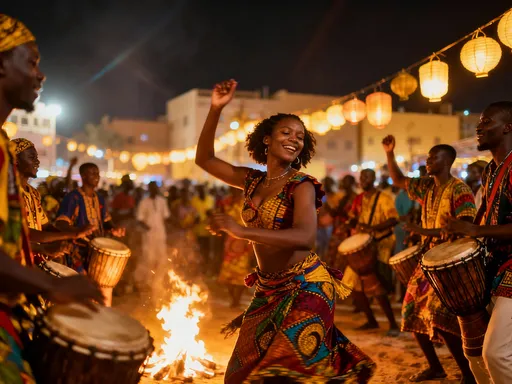
Dakar, Senegal bursts to life when festival season hits — it’s not just music and dance, it’s a full-body experience. I’ve never felt energy like this: drums shaking your chest, colors flashing under open skies, strangers pulling you into rhythm like family. These aren’t staged shows — they’re raw, real celebrations of culture, history, and community. If you want to see Dakar’s soul, don’t just visit — join the festival. This is travel that changes how you feel about people, music, and connection.
The Pulse of Dakar: Where Culture Comes Alive
Dakar stands as one of West Africa’s most vibrant cultural capitals, a city where tradition and modernity coexist in dynamic harmony. Perched on the westernmost edge of the African continent, it serves as a gateway to the region’s artistic soul. The city pulses with a rhythm shaped by centuries of history, from ancient Serer and Lebou heritage to colonial influences and a proud post-independence identity. Festivals here are not mere entertainment; they are living expressions of national pride, spiritual belief, and communal resilience. They reflect the values that define Senegalese society — respect for elders, devotion to faith, and the unbreakable bond of family and community.
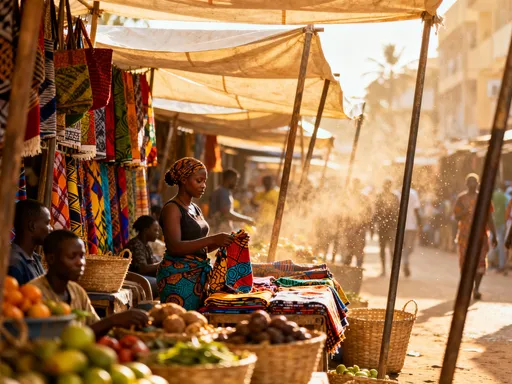
In Senegal, festivals are deeply woven into the fabric of daily life. Whether rooted in religion, art, or music, these gatherings serve as vital spaces for storytelling, education, and intergenerational exchange. Elders pass down oral histories through performance, children learn traditional dances in school programs, and artisans display generations-old craftsmanship in public markets. The significance of these events goes beyond celebration — they are acts of preservation. In a rapidly modernizing world, festivals act as anchors, ensuring that cultural identity remains strong and visible. For visitors, this means an opportunity to witness authenticity, not performance tailored for tourism.
The communal nature of Senegalese festivals sets them apart from typical Western events. Participation is encouraged, not observed from a distance. When music starts, people rise. When a procession moves through the streets, neighbors step outside to join. There is an openness, a generosity of spirit that invites outsiders in. This inclusivity is not accidental — it reflects the national philosophy of *teranga*, a Wolof word meaning hospitality and warmth toward guests. In Dakar, you are not merely allowed to take part — you are welcomed to. This deep sense of belonging transforms the festival experience from a sightseeing activity into a personal journey.
Saint-Louis Jazz Festival: Smooth Sounds by the River
One of West Africa’s oldest and most revered cultural events, the Saint-Louis Jazz Festival draws thousands each year to the historic island city just north of Dakar. Though not held within Dakar itself, it remains a cornerstone of the region’s festival calendar and is easily accessible for visitors based in the capital. Established in 1993, the festival has grown into a celebrated showcase of jazz in all its forms — from traditional New Orleans brass bands to Afro-Cuban rhythms, smooth soul, and experimental fusion. What makes it truly special is its setting: an 18th-century colonial town with cobblestone streets, pastel-colored buildings, and the Senegal River glimmering under moonlight.
The festival unfolds over several days each May, with stages set up along the riverbanks, in courtyards, and beneath centuries-old baobab trees. As the sun sets, the city transforms into an open-air concert hall. Local Senegalese jazz ensembles share the lineup with international artists from France, the United States, and across the African diaspora. The sound is rich and layered — saxophones echo over water, basslines ripple through the night air, and vocalists deliver haunting melodies in Wolof, French, and English. The atmosphere is relaxed yet electric, with audiences sitting on rugs, sipping bissap (hibiscus tea), and swaying in unison.
For travelers, attending the Saint-Louis Jazz Festival offers more than great music — it provides a chance to experience a slower, more intimate side of Senegalese culture. Unlike large commercial festivals, this event maintains a community-focused feel. Locals greet each other like old friends, children dance barefoot in the grass, and musicians often linger after sets to talk with fans. To blend in, arrive early to secure a good viewing spot near the main stage on Place Faidherbe. Dress comfortably but respectfully — light cotton clothing works best in the warm evenings. And don’t hesitate to strike up a conversation; many Senegalese appreciate genuine interest in their music and traditions.
Dakar Biennale (DAK’ART): When Art Takes Over the City
Every two years, Dakar undergoes a remarkable transformation during the Dakar Biennale, also known as DAK’ART. As one of the most important contemporary art events on the African continent, it draws artists, curators, and collectors from around the world. Founded in 1992, DAK’ART was created to elevate African voices in the global art scene and challenge long-standing imbalances in representation. Today, it stands as a powerful platform for innovation, dialogue, and cultural exchange. What was once a modest exhibition has evolved into a citywide celebration, with installations appearing in museums, abandoned warehouses, public squares, and even fishing boats along the coast.
The Biennale’s central exhibition features curated works from across Africa and the diaspora, exploring themes such as identity, migration, climate change, and postcolonial memory. Artists use a wide range of media — painting, sculpture, video, performance, and digital art — to express complex narratives in bold and imaginative ways. Beyond the official venues, the festival spills into the streets through murals, pop-up galleries, and artist-led workshops. Neighborhoods like Plateau, Médina, and Hann become open-air canvases, inviting spontaneous encounters with creativity. Walking through Dakar during DAK’ART feels like stepping into a living museum, where every corner holds a new discovery.
For visitors, the Biennale offers a rare opportunity to engage directly with Africa’s contemporary artistic vision. Many exhibitions are free or low-cost, and artists often attend viewings to discuss their work. Emerging talents from Senegal, Mali, Nigeria, and beyond use this stage to gain international recognition. To make the most of your visit, pick up the official program at the IFAN Museum of African Arts or download the DAK’ART app for real-time updates on events and locations. Consider joining a guided tour led by local art students or cultural guides — their insights deepen understanding and highlight subtle meanings behind the artwork. Whether you’re an art enthusiast or simply curious, DAK’ART challenges perceptions and opens new windows into African creativity.
Tabaski and Gamou: Spiritual Festivals with Public Celebration
In Senegal, where over 95% of the population practices Islam, religious festivals are deeply embedded in social life. Two of the most significant are Tabaski (also known as Eid al-Adha) and Gamou, both of which blend spiritual devotion with vibrant public celebration. While these events are rooted in faith, they are also times of national unity, family gathering, and cultural expression. Streets fill with color as people wear their finest traditional attire — men in crisp *grand boubous*, women in intricately embroidered *moussors* and headwraps. Homes open to guests, and the scent of grilled meat, thieboudienne (Senegal’s national dish), and sweet pastries fills the air.
Tabaski commemorates the willingness of Prophet Ibrahim to sacrifice his son in obedience to God, and it is marked by the ritual slaughter of sheep. Families purchase animals weeks in advance, often keeping them at home as a symbol of blessing. On the morning of the festival, prayers are held in mosques and open fields, followed by the sacrifice and distribution of meat to family, neighbors, and those in need. Though the practice may seem intense to outsiders, it is carried out with deep reverence and compassion. For visitors, observing Tabaski offers insight into the values of generosity, sacrifice, and community care that underpin Senegalese society.
Gamou, celebrated primarily by the Mouride Brotherhood — one of Senegal’s largest Sufi orders — honors the birth of the Prophet Muhammad. The most famous gathering takes place in Touba, the spiritual capital of the Mourides, where millions make pilgrimage each year. In Dakar, the festival is marked by night-long devotional music, known as *galaal*, featuring rhythmic chanting and drumming. Homes and streets are decorated with lights, and religious poetry is recited in public squares. While non-Muslims are not expected to participate in prayers, they are often welcomed to observe respectfully. The key is modest dress, quiet demeanor, and asking permission before taking photographs.
For travelers, attending these festivals requires sensitivity and awareness. These are not performances — they are sacred moments in the lives of millions. Avoid intrusive behavior, refrain from loud conversations during prayers, and always follow local guidance. If invited into a home, accept with gratitude and bring a small gift if possible, such as fruit or sweets. By observing with humility, visitors gain a profound appreciation for the spiritual depth and communal strength that define Senegalese life.
Sandance Festival: Youth, Music, and the Ocean Vibe
For a taste of Dakar’s modern pulse, the Sandance Festival offers an electrifying blend of music, youth culture, and coastal energy. Held annually on the beaches near N’Gor and Ouakam, this open-air event brings together thousands of young Senegalese and international visitors for a weekend of nonstop rhythm. Unlike more traditional festivals, Sandance focuses on contemporary genres — hip-hop, reggae, dancehall, and electronic music — reflecting the tastes of a new generation. The lineup features both local stars and international acts, creating a fusion of African beats and global sounds that resonates across languages and borders.
The festival’s location is part of its magic. As the sun dips below the Atlantic horizon, stages lit by string lights come alive with pulsing basslines. Sand becomes the dance floor, waves provide natural ambiance, and the ocean breeze cools the warm night air. Food vendors serve grilled fish, fresh mango juice, and spicy *yassa* sandwiches, while artisans sell handmade jewelry, T-shirts, and woven bags. The crowd is diverse — students, artists, surfers, expats — united by a love of music and freedom. There’s a carefree, inclusive vibe, with impromptu dance circles forming between sets and strangers sharing stories under the stars.
Sandance is more than entertainment — it’s a cultural movement. Many performers use their music to address social issues like education, unemployment, and environmental protection. Lyrics are often in Wolof, French, or local dialects, delivering messages of pride, resistance, and hope. Behind the scenes, the festival supports young creatives by offering platforms for DJs, filmmakers, and fashion designers. For visitors, attending Sandance means connecting with Dakar’s future — a generation that honors tradition while embracing innovation. To enjoy the festival safely, arrive early to avoid traffic, stay hydrated, and keep personal belongings secure. Most importantly, come ready to dance — because in Dakar, joy is not just felt, it’s shared.
Getting Around During Festival Season: Logistics Made Easy
Navigating Dakar during festival season can be both exciting and challenging, especially for first-time visitors. The city comes alive with activity, and major events often draw large crowds. Understanding transportation options and planning ahead can make a significant difference in your experience. The most common way to get around is by *car rapide*, a shared minibus that follows fixed routes across the city. While affordable and widely used by locals, these can be crowded and confusing for tourists. A more convenient option is using ride-hailing apps like Yango or Heetch, which are reliable, reasonably priced, and available in many neighborhoods.
When attending festivals, choosing the right place to stay is crucial. The Plateau district, Dakar’s downtown area, offers proximity to major venues like the National Theatre and IFAN Museum, making it ideal during DAK’ART or cultural parades. For a more relaxed atmosphere, neighborhoods like Almadies and N’Gor provide beachfront access and are close to events like Sandance. Many boutique guesthouses and family-run lodgings offer comfortable stays with personalized service. Booking accommodations several months in advance is recommended, especially during peak festival months like May and November.
Managing crowds and weather is another important consideration. Dakar’s coastal climate means high humidity and temperatures often above 30°C (86°F), particularly during the dry season when most festivals occur. Wearing lightweight, breathable clothing, using sunscreen, and carrying water are essential. Scheduling conflicts can arise when multiple events happen simultaneously — checking official festival programs in advance helps prioritize must-see performances. Additionally, carrying a small bag with essentials like hand sanitizer, cash in local currency (CFA franc), and a portable fan can enhance comfort. With thoughtful preparation, festival travel in Dakar becomes not only manageable but deeply rewarding.
Beyond the Events: Meaningful Travel in Dakar
Attending festivals in Dakar offers more than entertainment — it opens a pathway to meaningful, transformative travel. Unlike passive sightseeing, participation in cultural events fosters genuine connection. You’re not watching from behind a camera lens; you’re moving, dancing, eating, and laughing alongside locals. These moments create lasting memories and shift perspectives. You begin to understand not just what Senegalese people do, but why they do it — the values, beliefs, and histories that shape their lives. This deeper awareness builds empathy, breaks down stereotypes, and enriches your worldview in ways that traditional tourism often cannot.
Supporting local communities is another vital aspect of responsible festival travel. When you buy crafts from street vendors, eat at family-run restaurants, or attend performances by independent artists, you contribute directly to the local economy. Many festivals rely on grassroots funding, and every ticket purchase or donation helps sustain cultural expression. Consider visiting cooperatives or social enterprises that train young people in traditional arts, music, or tailoring. These initiatives preserve heritage while creating opportunities for future generations. Travelers who engage with such programs often leave with more than souvenirs — they gain stories of impact and inspiration.
Finally, the spirit of Dakar doesn’t have to end when your trip does. You can carry it forward by sharing what you’ve learned — through photos, conversations, or even hosting a Senegalese music night at home. Introduce friends to mbalax rhythms, try cooking thieboudienne, or support African artists online. By keeping the culture alive in your daily life, you honor the hospitality you received and help amplify voices that deserve to be heard. True travel is not just about seeing new places — it’s about growing as a person and building bridges across worlds.
Festivals in Dakar aren’t just things to see — they’re invitations to participate, feel, and remember. This city doesn’t perform for tourists; it celebrates life, loudly and proudly. By joining in, you’re not a spectator — you become part of something real. Travel like this doesn’t just show you a place — it changes you.