You Won’t Believe What I Found in Valparaíso’s Hidden Alleyways
Valparaíso, Chile, isn’t just a port city—it’s a living canvas of culture, color, and creative chaos. I went looking for quiet corners and stumbled into vibrant street art, spontaneous poetry readings, and underground music scenes most travelers never see. This is cultural immersion at its rawest. If you're chasing authenticity over postcard views, Valparaíso’s niche heartbeat will leave you breathless—and inspired to dig deeper.
The Soul of a Seaside City: Why Valparaíso Stands Apart
Perched along the Pacific coast, Valparaíso has long been more than just a backdrop to Chile’s maritime history—it is a living testament to resilience, creativity, and cultural evolution. Recognized as a UNESCO World Heritage Site since 2003, the city’s winding hills and labyrinthine alleyways are not simply geographic features but expressions of a unique urban identity shaped by waves of migration, economic shifts, and artistic rebellion. Unlike the polished plazas of more curated Latin American destinations, Valparaíso embraces its imperfections. Crumbling facades are adorned with fresh paint, rusted funiculars climb steep inclines with stubborn pride, and every turn reveals signs of life reclaimed from decay.
What sets Valparaíso apart is its refusal to conform to conventional tourism. While many visitors flock to South America seeking ancient ruins or cosmopolitan capitals, those who venture into this coastal gem encounter something far more intimate: a city that breathes through its people. Historically a hub for sailors, traders, and immigrants from Europe and beyond, Valparaíso absorbed diverse influences, creating a cultural mosaic visible in its architecture, cuisine, and daily rhythms. The city's bohemian spirit emerged in the 20th century as artists, poets, and intellectuals found refuge in its affordability and openness, transforming neglected neighborhoods into centers of creative resistance.
Today, mainstream tourism has begun to take notice, but the soul of Valparaíso remains defiantly underground. Tour buses may stop at Mirador Gipsy for panoramic views, yet the true essence of the city lies beyond the overlooks—in the cobbled paths where locals hang laundry between colorful houses, in the quiet courtyards where grandmothers water geraniums, and in the dimly lit bars where guitarists hum ballads of lost love and social justice. To experience Valparaíso fully is to resist the urge to check off landmarks and instead allow oneself to be guided by curiosity, chance, and human connection.
Wandering the Cerros: Where Culture Lives on Every Staircase
The heart of Valparaíso beats in its cerros—hills that rise dramatically from the port like layers of a storied cake. Among them, Cerro Alegre and Cerro Concepción stand out not only for their historic charm but for the way they cradle everyday magic within their narrow lanes and steep staircases. Walking through these neighborhoods feels less like sightseeing and more like stepping into a living theater where every resident plays a role, and every building whispers a different chapter of the city’s past. The architecture itself tells a story—once-grand mansions from the 19th century, built by wealthy merchants, now repurposed into boutique guesthouses, art galleries, and family-run cafés, their facades peeling but proud.
What makes these hills so captivating is the unpredictability of discovery. One moment, you’re climbing a flight of worn stone steps shaded by bougainvillea; the next, you turn a corner and find a full-wall mural depicting a weeping mermaid with roots for hair, symbolizing the city’s deep ties to the sea and environmental awareness. Artists often work in plain sight, brushes in hand, pausing to chat with passersby. An elderly man might invite you onto his porch for a glass of sweetened tea, offering commentary on how the neighborhood has changed over decades. These spontaneous interactions are not performances for tourists—they are fragments of real life unfolding in real time.
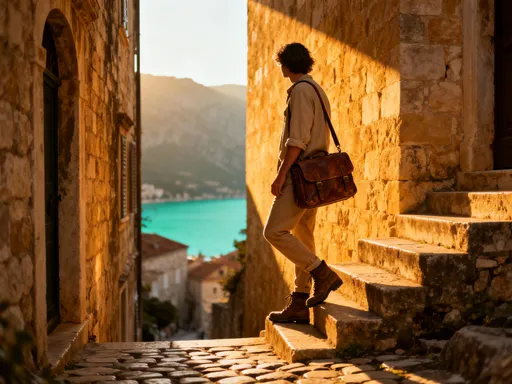
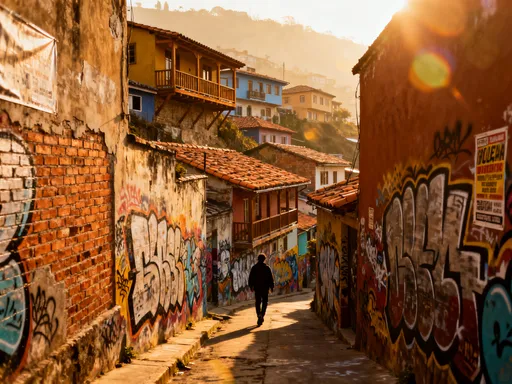
The network of alleys and stairways, known locally as *pasajes*, functions as both infrastructure and social fabric. Some are wide enough for a small cart; others are barely shoulder-width, winding between homes like secret passages. These paths are navigated daily by residents, delivery workers, and schoolchildren, each contributing to the rhythm of the hills. During early mornings, the scent of fresh bread drifts from corner bakeries, while in the late afternoon, students gather on benches to study beneath strings of drying laundry. There is no rush here—just a steady pulse of community life that invites slow observation and quiet appreciation.
Street Art That Speaks: More Than Just Paint on Walls
In Valparaíso, graffiti is not vandalism—it is dialogue. The city’s walls serve as open-air journals, recording everything from political dissent to poetic musings and celebrations of indigenous heritage. What began decades ago as acts of rebellion during periods of political unrest has evolved into a celebrated form of public expression, embraced by both artists and residents. Unlike curated street art festivals elsewhere, Valparaíso’s murals grow organically, often appearing overnight and changing with the seasons. This ever-shifting gallery reflects the city’s dynamic spirit, where creativity is not confined to museums but thrives in the spaces between buildings, on stair risers, and even inside abandoned trams.
Themes in the artwork are deeply rooted in Chilean identity. Many murals pay homage to national figures like poet Pablo Neruda, who once lived in nearby Isla Negra and maintained strong ties to Valparaíso. Others depict Mapuche symbols, maritime legends, or scenes from labor movements, reminding viewers of the country’s complex social fabric. One striking piece on Cerro Bellavista portrays a fisherman holding a net woven from newspaper clippings about climate change, blending environmental advocacy with local livelihoods. These works do not merely decorate—they educate, provoke, and preserve memory.
Community involvement is central to Valparaíso’s street art culture. Local collectives regularly organize mural projects that engage youth and revitalize neglected areas. Some neighborhoods host open-air exhibitions where artists paint live while residents gather to watch, ask questions, or share stories. Visitors are encouraged to engage respectfully—photographing art is welcomed, but touching or defacing it is strongly discouraged. Signage in certain zones explains the meaning behind major pieces, fostering understanding without sanitizing the rawness that gives the art its power.
For travelers, appreciating this art goes beyond taking pictures. It means pausing to read the messages hidden in the details, learning about the context, and recognizing that each piece is part of a larger conversation. In Valparaíso, a wall is never just a wall—it is a voice, a memory, a protest, or a prayer painted in bold colors under the Pacific sun.
Voices of the City: Poetry, Music, and Underground Performances
If the walls of Valparaíso speak through paint, its people sing, recite, and play their truths aloud. The city has long been a haven for poets, musicians, and performers who value authenticity over spectacle. Far from grand concert halls, some of the most moving cultural moments happen in unassuming spaces: a converted warehouse hosting an open-mic night, a hidden courtyard where a folk trio plays *tonadas* on guitar and *cajón*, or a dimly lit café where a young woman delivers a spoken word piece about identity and belonging.
One evening, tucked behind a nondescript door on Calle Serrano, I stumbled upon a gathering at a cultural center run by local artists. The room was filled with about thirty people—students, retirees, tourists—sitting on mismatched chairs, sipping herbal tea. A poet in her sixties took the small stage, her voice steady as she recited verses about the port’s transformation and the loss of working-class neighborhoods. There was no microphone, no spotlight, yet the silence was profound. Afterward, attendees lingered to discuss the poems, sharing personal reflections as if continuing a conversation decades in the making.
Music, too, pulses through the city’s veins in unexpected forms. While traditional *cueca*—Chile’s national dance—can be heard during national holidays, Valparaíso’s musicians often blend it with jazz, rock, or Afro-Latin rhythms, creating what some call *cueca moderna*. Bands like *Los Jaivas*, originally from this region, pioneered this fusion, drawing inspiration from the sea, the Andes, and indigenous sounds. Small venues such as *Teatro del Reloj* or *Casa del Arte* regularly feature live performances, often free or by donation, ensuring accessibility for all.
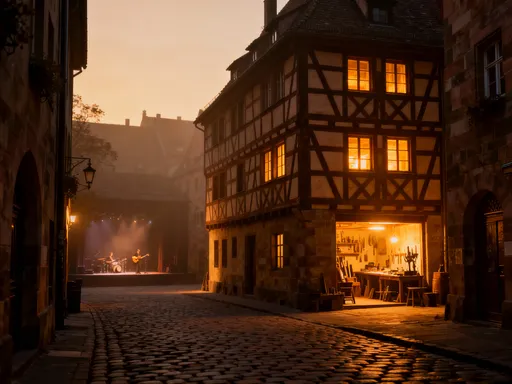
These underground scenes thrive because they are community-driven. Many events are promoted through word of mouth or local social media groups, preserving an intimate atmosphere. For visitors, finding these moments requires openness and a willingness to wander without a fixed itinerary. Asking a shopkeeper, “¿Dónde hay música esta noche?” might lead to a hidden gig in a rooftop studio or a poetry slam in a bookshop basement. These experiences are not packaged for tourists—they are shared, moment by moment, with those who listen closely.
Taste of Tradition: Local Eats with Cultural Roots
To understand Valparaíso, one must taste it. The city’s culinary landscape is a direct reflection of its geography and history—a working-class port town where fresh seafood, simple preparation, and communal dining define the culture. Unlike polished restaurants designed for Instagram aesthetics, the most authentic meals are found in modest *fuentes de soda* (diners) tucked into side streets, where plastic tables sit beside open kitchens and the scent of frying fish fills the air by mid-morning.
One staple you’ll encounter is the *empanada de mariscos*—a golden pastry filled with a rich mixture of crab, shrimp, and onions, seasoned with cilantro and a hint of cumin. Unlike the beef-filled versions common elsewhere in Chile, these coastal empanadas are a celebration of the Pacific. They are best eaten fresh from the oven, often accompanied by a squeeze of lime and a spicy *ají* sauce made daily in-house. Another regional favorite is *chupe de almejas*, a hearty clam chowder simmered with milk, potatoes, and egg, served in deep bowls that warm your hands on cooler days.
Beyond seafood, the city’s markets offer a window into daily life. *Mercado Puerto*, while increasingly popular with tourists, still retains pockets of authenticity, especially early in the morning when fishermen unload their catch and vendors arrange mounds of sea urchins, octopus, and razor clams. For a more local experience, smaller neighborhood markets like *Mercado Elías* in Cerro Almendral provide a quieter glimpse into routine shopping. Here, grandmothers haggle over prices, children help carry bags of produce, and bakers sell *pan amasado*, a traditional wood-fired bread with a crisp crust and soft interior.
Equally important are the city’s bakeries, some of which have operated for generations. In Cerro Concepción, a family-run shop still uses a 1940s oven to bake *sopaipillas*—pumpkin-based fried dough served with savory or sweet toppings. These treats are often enjoyed with *onces*, the Chilean version of afternoon tea, complete with *manjar* (dulce de leche) and *té negro*. Dining in Valparaíso is not about luxury—it’s about connection, tradition, and the comfort of flavors passed down through families who have lived by the sea for generations.
Getting There & Moving Around: Practical Tips Without the Hassle
Reaching Valparaíso is straightforward and affordable from Santiago, located about 120 kilometers to the east. The most convenient options are the frequent bus services operated by companies like Pullman Bus and Turbus, which depart from Santiago’s central terminals and arrive at Valparaíso’s main bus station in roughly two hours. Alternatively, Chile’s national railway, EFE, offers a scenic train ride along the coast, allowing passengers to enjoy views of vineyards, hills, and glimpses of the Pacific. Both options are safe, reliable, and widely used by locals, making them ideal for travelers seeking an authentic start to their journey.
Once in the city, navigation requires a blend of planning and flexibility. Valparaíso’s hilly terrain means walking is essential, but the city’s historic *ascensores*—funicular elevators—make vertical travel manageable. These wooden cars, some dating back to the late 1800s, connect the flat port area with the upper hills and are designated as national monuments. Most are operational during daylight hours and cost only a few hundred pesos per ride. Combining ascensor use with walking allows visitors to explore efficiently while minimizing strain on uneven terrain.
The best times to visit are during spring (September to November) and fall (March to May), when temperatures are mild and crowds thinner. Summer months bring more tourists and higher prices, though the coastal breeze keeps the heat tolerable. Weather can change quickly, so packing a light rain jacket and comfortable, supportive shoes is advisable. Paths are often cobblestone or uneven, and sudden fog—known locally as *camanchaca*—can roll in from the ocean, reducing visibility.
Safety is generally good in tourist areas, but standard precautions apply. Avoid displaying valuables, keep bags secure, and stick to well-lit streets at night. Respect for residential zones is crucial—many alleys are private pathways, and loud behavior can disrupt daily life. Learning a few basic Spanish phrases enhances both navigation and connection with locals. With thoughtful preparation, getting around Valparaíso becomes not a challenge, but part of the adventure.
Beyond the Tourist Trail: How to Experience Culture Like a Local
True immersion in Valparaíso begins when you let go of the itinerary. While guidebooks list must-see viewpoints and museums, the city’s deepest rewards come from unplanned moments: sitting in a neighborhood plaza watching children play, sharing a bench with an elderly resident who points out the best flower garden, or accepting an invitation to a backyard gathering after striking up a conversation at a market stall. These experiences are not found in brochures—they emerge from presence, patience, and genuine curiosity.
One of the best ways to connect with the local culture is by joining free walking tours led by residents. Groups like *Valpo Cultural* or *Guías Locales de Valparaíso* offer tours in English and Spanish, focusing on history, street art, and daily life rather than commercial highlights. Guides often share personal stories, recommend hidden eateries, and explain the significance of symbols in the murals. These tours are typically donation-based, ensuring accessibility and reinforcing community values.
Timing your visit to coincide with local events can also deepen your experience. The *Aniversario de Valparaíso*, celebrated every August 31st, marks the city’s founding with parades, live music, and fireworks over the bay. Smaller neighborhood festivals, such as *Fiesta de la Primavera* in Cerro Alegre, feature artisan fairs, dance performances, and communal meals. Participating—even as an observer—offers insight into local pride and traditions.
Supporting independent artisans is another meaningful way to engage. Scattered throughout the cerros are small workshops where painters, ceramicists, and textile artists create and sell their work. Buying a handmade postcard or a piece of jewelry directly from the creator not only provides a unique souvenir but also sustains the local creative economy. Above all, the key to experiencing Valparaíso like a local is slowing down. Put away the camera occasionally. Sit longer. Listen. Let the city reveal itself not in snapshots, but in sustained, heartfelt moments.
Valparaíso doesn’t reveal itself all at once. Its magic lies in the unexpected moments—overhearing a poet in a flower-filled patio, sharing a meal with a fisherman’s family, or turning a corner to find a wall pulsing with color and meaning. This city rewards those who wander with openness. When you choose to look beyond the surface, Valparaíso doesn’t just show you culture—it lets you live it.