This Is What Happens When You Let Sabah’s Culture Steal Your Heart
You know that feeling when a place surprises you, not with grand monuments, but with the warmth of its people and the depth of its traditions? That’s Sabah. I went for the mountains and reefs, but stayed for the stories—of rice wine shared under longhouse eaves, of drumbeats echoing through jungle nights. This isn’t just travel; it’s connection. And honestly? I never expected culture to hit me this hard. It wasn’t the postcard views of Mount Kinabalu or the turquoise waters of the islands that changed me. It was the quiet moments: a grandmother teaching me how to fold banana leaves for cooking, a child offering me a piece of roasted sago worm with a shy smile, a village elder’s hands moving rhythmically as he retold ancestral legends under a sky full of stars. In Sabah, culture isn’t performed. It lives, breathes, and invites you in—if you come with respect and an open heart.
Why Sabah Feels Different—Beyond the Postcard Views
Sabah, the eastern jewel of Malaysian Borneo, is often celebrated for its natural wonders. Towering above the mist is Mount Kinabalu, Southeast Asia’s highest peak, drawing climbers from around the world. Along the coast, islands like Sipadan and Mabul offer some of the most biodiverse coral reefs on the planet. Inland, dense rainforests shelter pygmy elephants, orangutans, and pitcher plants large enough to trap small rodents. These landscapes are undeniably breathtaking, and they rightfully dominate travel brochures and social media feeds. But what many visitors discover—sometimes unexpectedly—is that the true soul of Sabah lies not in its geography, but in its people and their enduring cultural traditions.
The real magic of Sabah unfolds in moments that can’t be scheduled or staged. It’s in the soft hum of a traditional lullaby sung by a mother rocking her baby in a longhouse, or the rhythmic tapping of a woodcarver shaping a ceremonial gong. Unlike tourist-centric performances that offer a surface-level glimpse of culture, Sabah provides opportunities for intimate, authentic engagement. In remote villages, traditions are not preserved for display—they are lived. The planting of hill rice, the brewing of fermented drinks, the passing down of oral histories—these are not relics of the past, but active threads in the fabric of daily life. This authenticity transforms travel from passive observation into meaningful participation.
What sets Sabah apart is the accessibility of these genuine cultural experiences. With responsible travel choices, visitors can step beyond the curated tourist trail and into real community spaces. Whether it’s sharing a meal with a Kadazan family during harvest season or learning a traditional dance from Bajau elders by the sea, these encounters foster deep human connections. The shift from sightseeing to storytelling, from photographing rituals to understanding their significance, marks a more profound kind of journey. It’s no longer about checking destinations off a list, but about being present—listening, learning, and allowing oneself to be changed by what one discovers.
Moreover, Sabah’s cultural landscape is not monolithic. Over thirty distinct ethnic groups call this region home, each with its own language, customs, and worldview. This diversity, rooted in centuries of migration, adaptation, and coexistence, creates a rich tapestry of traditions that continue to evolve. The beauty of traveling in Sabah lies in this variety—each village, each community, offers a new perspective. And because many of these cultural practices remain deeply tied to the land and natural cycles, the environment and heritage are inseparable. To understand Sabah’s culture is to understand its forests, rivers, and fields—not as scenery, but as sacred spaces of identity and survival.
The Kadazan-Dusun Heritage: Where Tradition Lives Daily
The Kadazan-Dusun people, the largest ethnic group in Sabah, embody a deep connection between culture and agriculture. For generations, their lives have revolved around the rhythms of rice cultivation, particularly hill rice grown on terraced slopes carved into the jungle. This isn’t just farming—it’s a spiritual practice. Every stage of the rice cycle, from planting to harvesting, is marked by rituals and offerings to the rice spirit, known as Bambarayon. Elders explain that disrespecting the rice or wasting it invites misfortune, a belief that underscores the community’s reverence for nature and sustenance.
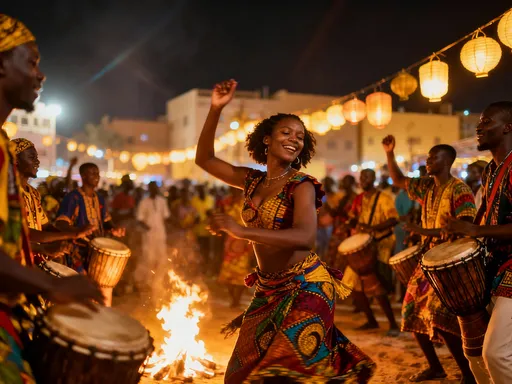
Visiting a Kadazan-Dusun village during the Pesta Kaamatan, or Harvest Festival, offers one of the most immersive cultural experiences in Sabah. Celebrated annually in May, the festival honors the rice spirit and gives thanks for a bountiful harvest. The atmosphere is joyful yet reverent, filled with traditional music, dance, and communal feasting. One of the highlights is the Magavau ceremony, where a bobolian—a female priestess—leads prayers and offerings. Watching her move with quiet dignity, her hands adorned with beads and brass, one senses the weight of centuries in her gestures. This is not a performance for tourists; it’s a living spiritual practice, preserved with pride.
Travelers fortunate enough to be welcomed into this celebration are often invited to participate. I remember being handed a wooden pestle and shown how to pound rice in a large mortar, a task that quickly revealed how physically demanding traditional food preparation is. Later, I sat cross-legged on the floor of a family home, learning to weave intricate patterns into a rattan basket. The grandmother guiding me didn’t speak much English, but her patience and laughter needed no translation. As we worked, her granddaughter served hinava, a refreshing dish of raw fish cured in lime juice and mixed with onions, chili, and ginger. It was sharp, bright, and unlike anything I’d tasted—each bite a story of coastal flavors and ancestral recipes.
As dusk fell, we gathered for a meal that included lihing, a mildly alcoholic rice wine fermented in clay jars. Passed around in small glasses, it carried a sweet, earthy taste and the warmth of shared trust. The family explained that lihing is more than a drink—it’s a symbol of hospitality and kinship. To be offered lihing is to be considered part of the family, even if only for a day. In that moment, surrounded by laughter and candlelight, I understood that cultural preservation isn’t about freezing traditions in time. It’s about adapting them with dignity, sharing them with respect, and ensuring they continue to nourish both body and spirit.
Inside a Longhouse: A Night with the Murut Community
Reaching a Murut longhouse in the interior of Sabah is an adventure in itself. I traveled by a combination of paved road, dirt track, and riverboat, the journey growing quieter and more remote with each mile. When I finally arrived, the longhouse emerged from the jungle like a living structure—elevated on stilts, stretching over a hundred meters, with a thatched roof and wide communal veranda. This was not a museum exhibit or a tourist attraction. It was home to over twenty families, all connected by blood or marriage, living together in a tradition that has endured for generations.
The architecture itself tells a story. The longhouse is designed for both practicality and community. Each family has its own private sleeping quarters, but the central hallway—known as the ruai—is shared. It’s used for cooking, socializing, ceremonies, and even dispute resolution. Carved wooden panels line the walls, depicting ancestral figures and spiritual symbols. I was told that each carving holds meaning, often recounting clan histories or mythological tales. One elder pointed to a figure with a crocodile head and explained it represented a guardian spirit that protects the village from harm. There was no rush to explain everything—knowledge here is shared gradually, when the time is right.
That evening, the community gathered around a fire after dinner. Children played nearby while elders began to sing—low, rhythmic chants that seemed to rise from the earth itself. I was handed a simple blowpipe, about two meters long, and shown how to aim it at a small target. The Murut were once renowned hunters, and though few rely on blowpipes for food today, the skill is still taught to youth as a point of pride. My attempts were clumsy, but the teenagers laughed kindly and corrected my breathing technique. One of them demonstrated by hitting a target from twenty meters away—silent, precise, and deeply impressive.
Later, I was given a bamboo mat to sleep on in the ruai. Without walls, the night was alive with sounds—the rustle of leaves, the distant call of a hornbill, the soft breathing of others nearby. I lay awake for a while, watching the embers glow. An elder sat up, stirred the fire, and offered me a cup of herbal tea made from jungle plants. We didn’t speak much, but the silence felt full, not empty. In that moment, I realized how much of modern life is built on isolation—private homes, headphones, screens. Here, connection was constant, effortless, and rooted in mutual care. To sleep in a longhouse is to experience a different kind of safety—one built on community, not walls.
How Local Food Tells a Cultural Story
In Sabah, food is far more than sustenance. It is memory, identity, and ritual all at once. Every dish carries the imprint of history, environment, and relationship. Take tuhau, a condiment made from wild ginger stem, sliced thin and mixed with chili and vinegar. It’s sharp, pungent, and unforgettable—a taste that lingers like a first encounter with the jungle itself. Then there’s bambangan, a native mango that’s harvested while still unripe, buried in ash or soil to ferment, and then boiled before eating. The process takes weeks, and the result is a fruit with a complex, almost cheese-like flavor. It’s not something you find in supermarkets. It’s made at home, shared with guests, and deeply tied to seasonal cycles.
Perhaps the most talked-about food is saguer, the sago palm grub, often served fried or raw. To the uninitiated, it might seem daunting. But in the Murut and Penan communities, it’s a cherished source of protein and a delicacy offered to honored guests. I remember being handed a small plate with three grubs, their bodies plump and glistening. The host smiled and said, “Good for strength.” I took a breath and tried one—it was nutty, creamy, and surprisingly mild. More than the taste, it was the gesture that mattered. To accept saguer is to accept trust. It says, “We share what we value most.”
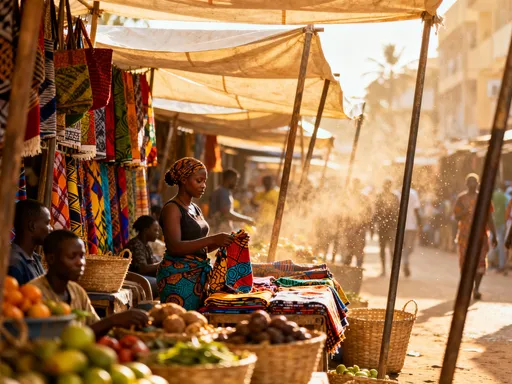
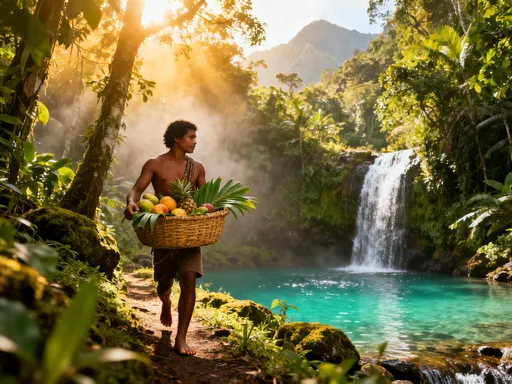
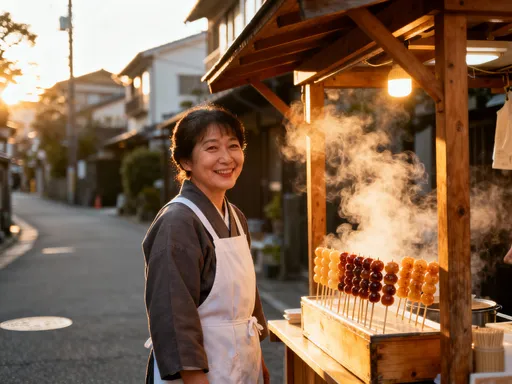
One of the best places to experience Sabah’s culinary culture is at a tamu, the traditional weekend market found in towns like Kundasang and Tenom. These bustling gatherings are more than shopping destinations—they’re social hubs where farmers, weavers, and elders come together to trade, gossip, and preserve language. I wandered through stalls piled high with jungle ferns, wild honey, smoked fish, and bundles of aromatic herbs with names I couldn’t pronounce. A vendor handed me a sample of linut, a sticky paste made from sago flour, shaped into balls and dipped in spicy broth. It was warm, comforting, and deeply satisfying.
What struck me most was how food in Sabah is never rushed. Meals are communal, conversations are long, and recipes are passed down orally. A grandmother will show her granddaughter how to ferment rice wine not with measurements, but with intuition—“until it smells right.” This sensory knowledge, built over decades, cannot be written down. It lives in the hands, the nose, the tongue. To eat in Sabah is to engage all the senses, to slow down, and to listen. Every flavor is a chapter in a larger story—one of resilience, adaptation, and deep connection to the land.
Choosing the Right Cultural Encounters: What to Seek (and Avoid)
As interest in cultural tourism grows, so does the risk of exploitation. In Sabah, as in many indigenous regions, there is a fine line between respectful engagement and performative tourism. Some operators offer “tribal village tours” where communities are paid to reenact rituals for camera-wielding visitors. These staged experiences may seem authentic, but they often strip traditions of their meaning, reducing sacred practices to entertainment. Worse, they can create dependency on tourist income, distorting cultural expression and undermining genuine autonomy.
The key to ethical cultural travel is intention. Seek out programs that are community-led, where visitors are invited in, not imposed upon. Many villages in Sabah now run their own homestay initiatives, often in partnership with local NGOs or eco-tourism cooperatives. These programs allow travelers to stay with families, share meals, and participate in daily life—not as spectators, but as guests. The difference is palpable. In a community-led homestay, the pace is slower, the interactions more natural, and the learning more profound.
Another important factor is consent. Always ask before taking photos, especially of elders, children, or ceremonial moments. In some communities, photographing certain rituals is considered disrespectful or even dangerous. A simple gesture—pointing to your camera and raising an eyebrow—can go a long way. Most people will smile and nod if it’s okay, or gently wave you off if not. Respect their answer without argument. Remember, you are a guest.
When choosing a tour operator, ask questions: Who benefits financially from this experience? Are local guides employed? Is the community involved in decision-making? Reputable organizations will be transparent about their partnerships and pricing. Avoid any tour that promises “exclusive tribal access” or uses words like “primitive” or “exotic” in its marketing. These are red flags. True cultural exchange is built on equality, not spectacle. It’s not about seeing something rare—it’s about understanding something meaningful.
Practical Tips for Meaningful Cultural Travel in Sabah
Timing can make a big difference in the depth of your cultural experience. The best period to visit for authentic events is between May and June, when Pesta Kaamatan is celebrated across the state. This is when villages open their doors, host traditional games, and perform sacred ceremonies. Arranging a visit during this time requires planning—many homestays book up months in advance—but the rewards are immense. Even outside festival season, rural communities welcome respectful travelers, especially those who come with curiosity and humility.
Transportation in Sabah varies by region. In Kota Kinabalu and other urban centers, rental cars are readily available and offer flexibility. However, for remote villages, guided cultural tours are often safer and more appropriate. Local guides do more than navigate roads—they act as cultural interpreters, helping bridge language gaps and explain customs. They also ensure that visits are coordinated with village leaders, so your arrival is expected and welcome.
Language is another consideration. While English and Malay are widely spoken, learning a few phrases in Dusun or Bajau can deepen connections. Simple greetings like “Kommon?” (How are you?) or “Selamat jalan” (Safe travels) show effort and respect. Many elders appreciate the attempt, even if pronunciation is imperfect. Smiles, gestures, and shared meals often communicate more than words anyway.
When it comes to accommodation, prioritize homestays over hotels when visiting rural areas. Staying with a family offers unparalleled insight into daily life and fosters genuine relationships. Facilities may be basic—shared bathrooms, cold showers, mosquito nets—but the experience is rich. Pack light, bring a flashlight, and be prepared to unplug. These small adjustments open the door to deeper presence. And remember: dress modestly, especially in villages. Cover shoulders and knees as a sign of respect, particularly during ceremonies.
Why This Kind of Travel Changes You
Traveling through Sabah’s cultural heartland does more than fill a passport with stamps. It reshapes the way you see the world. I returned home quieter, more reflective, with a slower rhythm in my step. The constant rush of city life suddenly felt unnecessary, even unnatural. I found myself valuing presence over productivity, connection over convenience. These shifts didn’t happen overnight. They grew from moments too small to photograph—the weight of a hand-carved spoon, the taste of rice wine shared in silence, the sound of a lullaby sung in a language I didn’t understand but felt in my bones.
Cultural travel at its best fosters empathy. It reminds us that there are many ways to live, to raise children, to honor ancestors, to find joy. In Sabah, I met people who measure wealth not in money, but in harvests, relationships, and stories. Their resilience in the face of change—preserving language, land, and tradition despite modern pressures—is a quiet act of courage. To witness that is to be humbled.
Moreover, this kind of travel contributes to preservation. When communities benefit directly from cultural tourism, they have greater incentive to protect their heritage. Every homestay booking, every handmade craft purchased, every respectful visitor helps sustain traditions that might otherwise fade. It’s a form of stewardship—one that values people as much as landscapes.
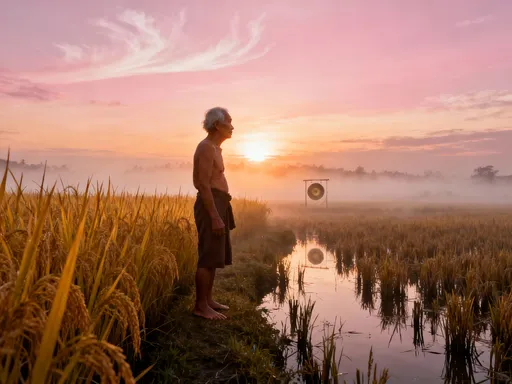
As I close my eyes, I still see that final morning in the village. I was sitting in the field with an elder, neither of us speaking, watching the sun rise over the rice paddies. Mist curled around the stalks, and a single gong echoed from a nearby house, its sound fading into the light. In that stillness, I felt something rare: belonging without words, understanding without translation. That is the gift of Sabah. Not just a place to visit, but a way of being to remember. And if you let it, its culture will stay with you—long after you’ve left the jungle behind.