You Won’t Believe What I Found Exploring Jodhpur’s Hidden Culture
Jodhpur doesn’t just sit in the Thar Desert—it sings with color, rhythm, and centuries-old traditions waiting to be experienced. I went not to check landmarks off a list, but to feel the city’s pulse. From early-morning street food runs to spontaneous conversations with artisans, every moment revealed something raw and real. This isn’t just sightseeing—it’s cultural immersion at its most authentic. Let me take you where guidebooks rarely go.
The Blue City’s Living Soul
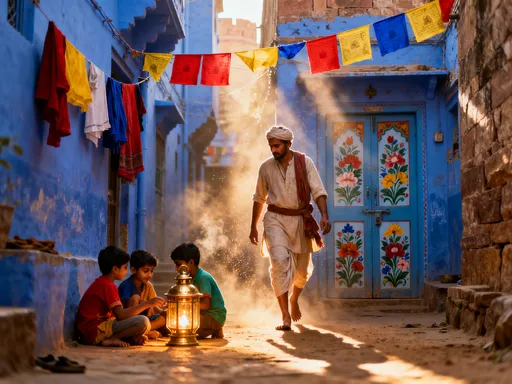
The first time you see Jodhpur from the ramparts of Mehrangarh Fort, the view is unforgettable—hundreds of indigo-hued homes cascading down the hillside like a painted waterfall beneath a relentless desert sky. These blue houses, clustered in the Brahmpuri neighborhood, are more than an Instagram phenomenon. They are the beating heart of a living, breathing community where tradition isn’t preserved behind glass but lived in full color every single day. The pigment, derived from locally sourced lime and turmeric-based mixtures, is believed to repel insects and keep homes cooler—a practical solution turned cultural signature. But beyond the paint lies a deeper story: one of caste heritage, with Brahmin families historically marking their homes in blue, and of generational continuity in a city fiercely proud of its Rajasthani roots.
Walking through the narrow, winding lanes of Brahmpuri is like stepping into a different rhythm of life. Children dart between doorways playing marbles on sun-baked stone, elders sip chai on low wooden stools, and the scent of marigolds and incense drifts from open courtyards. Many homes still use traditional methods to maintain their facades, mixing fresh lime plaster by hand and painting with brushes worn soft from years of use. There’s no pretense here—just daily life unfolding in harmony with centuries-old customs. Local preservation groups, supported by both residents and heritage organizations, work quietly to protect the architectural integrity of the area, ensuring repairs use authentic materials and techniques. This isn’t about creating a museum piece; it’s about honoring a way of life that remains vibrant and evolving.
What struck me most was the warmth of the people. In a lane near the Rao Jodha Desert Rock Park, I met an elderly woman named Lalita who invited me in for tea. Her home, painted a deep cobalt, had been in her family for five generations. As she stirred cardamom into the chai, she explained how the color reminded her of Lord Shiva and protection from the harsh sun. "This blue," she said, "is our identity." Moments like these—unscripted, unhurried—reminded me that Jodhpur’s true beauty isn’t in its skyline, but in the stories whispered from one generation to the next within these blue walls.
Markets That Tell Stories
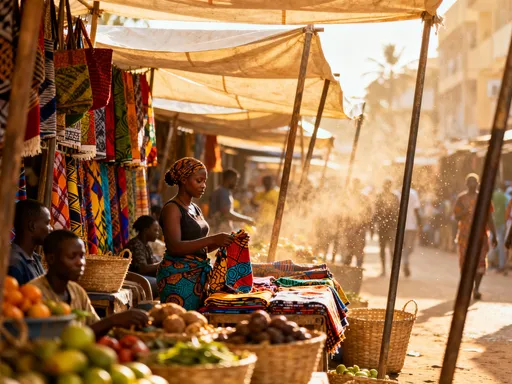
If the blue houses are Jodhpur’s soul, then its markets are its voice—loud, colorful, and full of life. Sardar Market, just outside the old city walls, is a sensory explosion from sunrise to sunset. Towering pyramids of turmeric, saffron, and red chili rise like edible mountains. The air hums with the tang of dried mango powder, the earthiness of cumin, and the sweetness of blooming jasmine garlands draped over shopfronts. Vendors call out prices in rhythmic cadence, their hands moving with practiced precision as they weigh spices in brass scales. This isn’t just commerce—it’s performance, ritual, and community all at once.
I spent a morning with Rajesh, a third-generation spice seller whose family has operated the same stall for over 70 years. As he scooped golden turmeric into a muslin pouch, he shared how his grandfather taught him to identify quality by scent and texture alone. "Machine-ground spice loses its spirit," he said, grinding a small batch by hand on a stone slab. He even offered a family recipe for a digestive blend—cumin, coriander, dried ginger—used after heavy meals. It was a reminder that in Jodhpur, knowledge isn’t locked in books; it’s passed down in gestures, tastes, and shared moments.
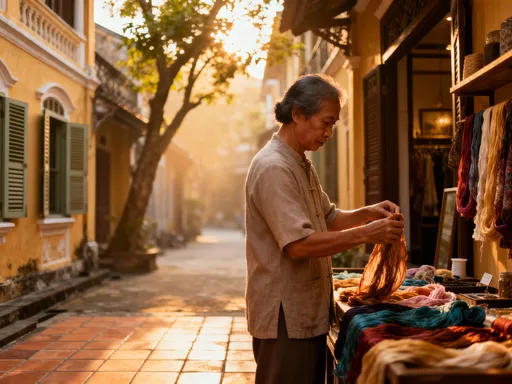
Nearby, the textile stalls burst with color. I watched as Meera, a textile vendor, unfurled a length of Bandhani fabric—tiny dots of red, yellow, and green created through a meticulous tie-dye process. She demonstrated how each knot is tied by hand, a skill learned from her mother and now taught to her daughter. Bargaining here isn’t aggressive; it’s a dance of respect and rapport. A smile, a cup of chai, a compliment on craftsmanship—these are the currencies that matter as much as rupees. When done with sincerity, the exchange becomes more than a transaction; it becomes a bridge between worlds.
Festivals Beyond the Calendar
Most travelers plan their visit around major festivals like the Marwar Festival or Diwali, when Jodhpur glows with music, lights, and grand processions. But the city’s true cultural pulse beats strongest in the smaller, spontaneous celebrations that happen year-round. These are not staged for tourists but lived with quiet devotion and joy. In a quiet courtyard near Jaswant Thada, I once stumbled upon a neighborhood aarti—a devotional ceremony at dusk—led by a local priest and accompanied by a young boy playing the harmonium. Women in bright saris swayed with oil lamps, their voices rising in hymns that echoed off the sandstone walls. No cameras, no crowds—just faith in its purest form.
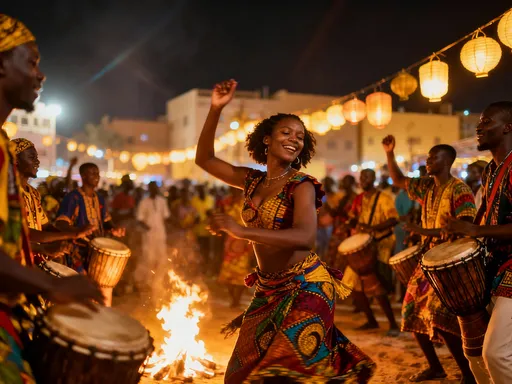
Weddings in Jodhpur are another window into the city’s living culture. During one visit, I was invited to a family celebration where women performed the Ghoomar dance in swirling circles, their embroidered skirts flaring with each turn. The dance, rooted in Rajput tradition, is more than entertainment—it’s a symbol of grace, unity, and celebration of womanhood. Children clapped along, elders smiled from charpoys, and the air was thick with the scent of rosewater and ghee-laden sweets. These moments aren’t listed on any tourist itinerary, yet they offer a deeper understanding of Jodhpur’s spirit than any guidebook ever could.
Even in ordinary weeks, music finds its way into daily life. I once heard a group of folk musicians rehearsing in an open-air veranda—sarangi, dholak, and morchang weaving melodies that seemed to rise from the desert itself. When I asked where they were performing, one musician laughed and said, "Wherever someone wants to listen." That spontaneity—the willingness to share art without expectation—is at the heart of Jodhpur’s cultural generosity.
Craftsmanship Passed Through Generations
In an age of mass production, Jodhpur remains a sanctuary for handmade artistry. In the shadow of the old city walls, family-run workshops continue to produce crafts that have defined Rajasthani culture for centuries. I visited a small block-printing studio where three generations of a single family work side by side. The patriarch, Masterji, demonstrated the technique he learned at 12—carving intricate floral and peacock motifs into wooden blocks, then stamping them onto cotton with natural dyes. His grandson, now in his twenties, uses the same tools but experiments with contemporary designs, blending tradition with modern taste.
Another afternoon was spent at a blue pottery workshop, a craft introduced to the region by Persian artisans centuries ago. The pieces—vases, plates, tiles—are glazed in signature cobalt and turquoise, then fired in coal ovens that have stood in the same spot for decades. The process is slow, fragile, and deeply personal. One artisan told me that each piece must be "listened to"—too much heat, and it cracks; too little, and the color fades. The fragility of the craft mirrors the fragility of tradition itself, yet here, it endures.
Perhaps most iconic are the Mojari shoes—hand-stitched leather slippers adorned with mirrors and embroidery. In a tiny shop near Clock Tower, I watched a craftsman named Karim shape each sole by hand, using tools passed down from his father. "A pair takes two days," he said, "but it carries the soul of our ancestors." Tourism has brought both opportunity and risk. When travelers buy directly from artisans or visit studios with respect, they help sustain these traditions. But mass-produced imitations sold in tourist zones threaten the authenticity of the craft. The key is mindful engagement—choosing quality over convenience, connection over consumption.
Flavors That Connect
Jodhpur’s food culture is not about fine dining or plating—it’s about connection. I began one morning at a roadside chai stall, where the vendor, Bholu, handed me a steaming kulhad—clay cup—without asking my order. "You’re here for the mirchi vada, right?" he grinned. Minutes later, I was biting into a crisp, chili-stuffed fritter, its heat tempered by mint chutney and sweet tamarind. We ate in comfortable silence, watching the city wake up. That simple meal was more nourishing than any five-star breakfast could have been.
Later, I was invited into the home of a local woman named Shanti, who taught me to make dal baati churma—the region’s iconic dish. Baati, hard wheat rolls, are baked in a wood-fired oven, then dipped in ghee. Dal, a spiced lentil stew, is slow-cooked with cumin and garlic. Churma, a sweet crumble made from crushed baati and jaggery, is served on the side. As we rolled dough together, Shanti shared how her mother taught her to "cook with patience, not speed." Meals in Jodhpur are not rushed; they are rituals of care, often eaten cross-legged on the floor, hands replacing forks.
Street food here tells stories too. A cart selling makhania lassi—thick, creamy yogurt drink topped with malai—has operated in the same spot for 40 years. The owner, Ramu, knows his customers by name. "Food is memory," he said, pouring another glass. "When someone tastes this, they remember their childhood." Whether it’s kachoris at a morning market or rabri at a temple fair, eating in Jodhpur is an act of belonging. It’s not about ticking off a list of "must-try" dishes, but about sharing moments that linger long after the last bite.
Temples, Music, and Everyday Spirituality
In Jodhpur, spirituality isn’t confined to temples—it flows through the city like a quiet river. At dawn, the air fills with the sound of ragas played on the wind instruments of Rajasthan. I once climbed to a small pavilion near Mehrangarh Fort just as the sun rose, and there, a musician played the been—a traditional string instrument—his notes drifting over the blue rooftops like a morning prayer. No audience, no recording, just music offered to the sky.
Neighborhood temples, often tucked between homes, are centers of daily life. At the Chamunda Mataji Temple, I watched as women brought offerings of flowers and coconuts, their lips moving in silent prayer. The priest rang a small bell, and a wave of collective peace settled over the courtyard. These moments aren’t performed for visitors; they’re part of the city’s daily rhythm. Even in busy markets, you’ll see shopkeepers pausing to light a diya or whisper a mantra before opening their stalls.
I visited a local music school where children as young as six practice instruments like the dholak, sarangi, and algoze—a double-flute played with the nose and mouth. Their teacher, a respected maestro, emphasized that music is not just art but discipline, devotion, and identity. "When they play," he said, "they carry forward the voice of Rajasthan." In Jodhpur, culture and faith are not separate—they are woven together, inseparable threads in the fabric of daily life.
Traveling with Respect, Returning with Meaning
As I prepared to leave Jodhpur, I reflected on what it means to travel well. This city doesn’t ask for applause or admiration—it asks for presence. Dressing modestly, especially when visiting temples or homes, is not just respectful but necessary. Asking before taking photographs, particularly of people, is a small act that honors dignity. Choosing to eat at family-run dhabas, buy from local artisans, and stay in heritage guesthouses supports the community in tangible ways.
The most meaningful travel isn’t about collecting destinations; it’s about deepening connection. I learned to slow down—to sit longer, listen more, and speak less. I learned that a shared meal, a smile, or a moment of silence in a temple can be more transformative than any checklist of sights. Jodhpur isn’t a place to conquer or consume. It’s a living culture, generous in its offerings but deserving of reverence.
When you visit, don’t rush. Let the city reveal itself in its own time. Talk to the chai-wallah. Sit with an artisan. Share a laugh over a spicy mirchi vada. Let the blue walls, the spice-scented air, the evening aarti, and the desert wind remind you that travel, at its best, is not about escape—but about return. Return to what matters: human connection, shared stories, and the quiet beauty of a life lived with purpose and pride. Jodhpur doesn’t just show you its culture—it invites you to feel it, one authentic moment at a time.