What If Your Home Could Help Your Family Thrive—Not Just Stay Safe?
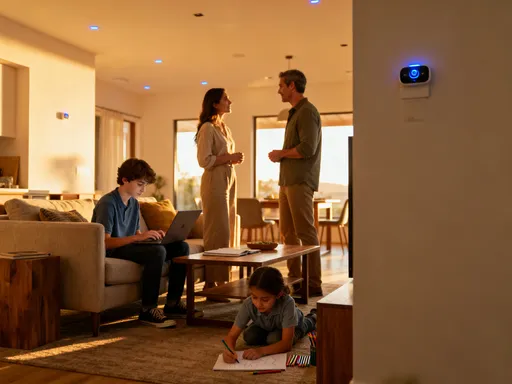
Imagine coming home after a long day, only to find your teenager stressed over homework, your parents quietly struggling with daily routines, and your little one feeling lonely. You want to support them, but you’re stretched thin. What if the same smart devices keeping your home secure could also nurture healthier habits, smoother communication, and deeper connections—without adding more to your plate? What if your home didn’t just watch over you, but truly cared?
The Hidden Struggle Behind Closed Doors
Most of us think of home as a safe haven—a place where stress from the outside world melts away. But sometimes, the real struggles aren’t on the street; they’re behind closed doors, hidden in plain sight. You might share a roof with your family, yet feel miles apart. Your teenager locks their door after school and barely speaks at dinner. Your aging parent insists they’re fine, but you notice they’re moving slower, skipping meals, or turning in earlier than usual. Your youngest seems quiet, maybe even a little sad, but says nothing when you ask, “How was your day?”
We wear many hats—caregiver, planner, peacekeeper, provider—and it’s exhausting. We want to be present, but we’re overwhelmed. The truth is, even in the safest homes, emotional distance can grow. It’s not because we don’t care. It’s because we’re busy, distracted, and often unaware of the small shifts that signal bigger needs. We rely on words to tell us how our loved ones are doing, but sometimes, the most important messages are silent: a missed breakfast, a restless night, a room left dark when it used to glow with activity.
That’s where technology, used thoughtfully, can step in—not to replace human connection, but to help us notice what we might otherwise miss. Most families already have some form of home monitoring—maybe a doorbell camera, motion sensors, or a security system. We think of these tools as guards against danger. But what if they could do more? What if they could help us care, not just protect?
From Security to Support: A New Role for Smart Homes
Smart home technology has come a long way from just locking doors and sounding alarms. Today’s systems can do something quietly powerful: they learn patterns. They notice when life feels “off” without listening to conversations or watching every move. Think of it like a gentle nudge from a trusted friend who knows your family’s rhythm. If your mom usually gets up at 7 a.m. for coffee but hasn’t moved by 9, the system might send a quiet alert to your phone. Not an alarm—just a check-in. If your teen’s room light stays on past 1 a.m. for three nights in a row, you might get a soft notification: “Late nights lately. Might be worth a chat.”
These systems use motion sensors, environmental cues, and non-intrusive monitoring to highlight changes in behavior. They don’t record audio or video for constant surveillance. Instead, they focus on presence, movement, and routine. For example, a sensor in the kitchen can detect whether the fridge was opened at mealtimes. If it hasn’t been for two days, the app might suggest, “Looks like meals have been light. Maybe call and check in?” It’s not about control. It’s about care—about giving you the information you need to support your family, without needing to hover or pry.
One mom in Ohio shared how her system noticed her daughter wasn’t using the bathroom at night like she used to. A small detail, but it led to a doctor’s visit that caught a minor urinary issue early. “I would’ve never known,” she said. “I was so focused on school and friends, I didn’t see the little signs.” That’s the shift: from security as protection to security as awareness. When your home helps you see what’s really happening, you can respond with love, not worry.
Helping Teens Without Hovering
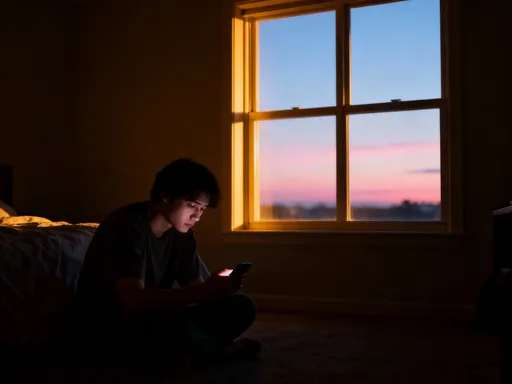
Parenting a teenager is one of the most delicate balancing acts. You want to be supportive, but not smothering. You want to know they’re safe, but not make them feel watched. It’s easy to overstep, and even easier to withdraw completely. But what if technology could help you walk that line? Imagine getting a simple alert that says, “Study light on past midnight—need a snack or someone to talk to?” It’s not a demand. It’s an invitation—one that gives your teen the power to respond, or not.
One family in Minnesota started using a shared family app linked to their smart home system. Lights, room usage, and sleep patterns were tracked anonymously—no cameras, no audio. Instead of saying, “Why are you still up?” the mom began texting, “Saw the study light on. Everything okay?” Most nights, her daughter replied, “Just finishing math. Go back to sleep!” But one night, she responded, “Actually… kinda stressed. Can we talk tomorrow?” That small opening led to a heartfelt conversation about anxiety, school pressure, and the fear of not being good enough.
The beauty of this approach is that it removes the guesswork and the guilt. You’re not snooping. You’re noticing. And by framing it as care, not control, trust grows. The teen feels seen, not spied on. The parent feels helpful, not intrusive. Over time, the alerts became less frequent, not because the tech stopped working, but because the family started talking more. The system didn’t fix the problems—it just helped them find each other in the noise.
Staying Close When Caring for Aging Parents
When your parents age, the worry never really goes away. You want them to live independently, but you also want to know they’re safe. Calling every day can feel like nagging. Showing up unannounced can feel like overstepping. And sometimes, they won’t tell you when things are hard. “I’m fine,” they say, even when they’re not.
That’s where smart monitoring can offer peace of mind without pressure. Take the story of Sarah, a daughter in Oregon. She installed motion sensors in her dad’s home—nothing in the bedroom or bathroom, just common areas like the kitchen and living room. At first, it was just about safety. But over time, the data told a story. Her dad used to move around in the morning—coffee, paper, walk to the mailbox. But one week, the sensors showed he wasn’t leaving his chair until noon. The fridge wasn’t opening at lunchtime. The evening walk disappeared.
Sarah didn’t confront him with data. Instead, she said, “Dad, I’ve been thinking—what if we tried meal delivery for a few days? Just to take one thing off your plate?” He agreed. That small change led to a doctor’s visit, where he was diagnosed with early joint stiffness. With physical therapy and a few home adjustments, he regained his rhythm. The sensors didn’t replace care—they made it possible earlier, gentler, and more respectful.
Modern systems can include fall detection, automated lighting for nighttime safety, and even smart pill dispensers that send alerts if a dose is missed. But the real benefit isn’t the tech—it’s the confidence it gives families. You’re not guessing. You’re not intruding. You’re simply staying connected in a way that honors independence while offering support.
Building Better Routines for the Whole Family
Healthy habits don’t happen by accident. They grow from routine, rhythm, and gentle reminders. And while we often rely on willpower, the truth is—our environment shapes our behavior more than we think. A cluttered kitchen makes healthy cooking harder. A dark living room after dinner makes movement less likely. But what if your home could help set the stage for better choices?
Smart systems can act like quiet coaches. For example, the kitchen light can turn on automatically at 7:30 a.m., signaling it’s time for breakfast. Not a loud alarm—just a warm glow that says, “Morning’s here.” For kids, that visual cue can be more effective than a shouted “Get up!” Similarly, a shared family calendar can sync with smart lights to signal “family walk time” at 5:30 p.m. The porch light turns green, and the living room lights pulse gently—like a soft chime that says, “Let’s move.”
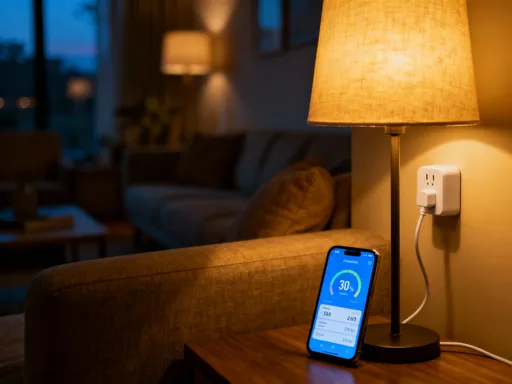
One family in Colorado used this system to rebuild their evening routine. After months of screen-heavy dinners and separate activities, they set a “digital sunset” at 7 p.m. Smart plugs turned off the TV and gaming consoles, while the living room lights shifted to a warm, inviting tone. A message popped up on the shared tablet: “Story time or board game?” At first, the kids groaned. But within weeks, it became something they looked forward to. “It’s not about taking things away,” the mom said. “It’s about making space for what matters.”
By linking smart devices to real-life rhythms, families create structure without rigidity. The home doesn’t command—it invites. And over time, those small nudges become habits, and those habits become connection.
Opening Doors to Real Conversation
We often blame technology for pulling families apart. But what if it could actually bring us closer? The key isn’t more screens—it’s smarter use of them. One powerful way is through shared digital spaces that encourage emotional check-ins. Imagine a simple dashboard on your kitchen tablet that says, “How are you feeling today?” with emoji options: calm, tired, excited, overwhelmed. Each family member taps their mood in the morning. No pressure. No judgment. Just a quick way to say, “Here’s where I’m at.”
One family in Virginia started using this system. At first, the kids just picked random emojis. But over time, they began to notice patterns. “Mom’s been ‘tired’ a lot this week,” said the 10-year-old. That small observation led to a conversation: “I am tired, sweetie. Work’s been busy. I might need a little extra help with dinner.” The kids started offering to set the table. The husband began making coffee for her in the morning. The mood tracker didn’t fix stress—it made it visible, and therefore, shareable.
Another family used a “One Good Thing” prompt at dinner. A smart speaker would ask, “What’s one good thing that happened today?” at the start of the meal. At first, answers were simple: “I got an A,” “The pizza was hot.” But over time, they deepened: “My friend smiled at me after lunch,” “I finished my project without giving up.” These small moments of gratitude became the heartbeat of their evenings. The tech didn’t create the connection—it created the space for it.
Setting It Up Without Stress
If you’re thinking, “This sounds great, but I’m not a tech person,” don’t worry—you don’t need to be. The best systems are designed for real life, not tech experts. Start small. Pick one area where you’d like a little more peace of mind or connection. Maybe it’s a motion sensor in the hallway to know when your parent is up and moving. Or a smart light in the kitchen to remind everyone it’s time for breakfast. Many systems can be set up in under an hour, with step-by-step guides and customer support.
Privacy is key. Always choose systems that let you control what’s monitored and who sees it. Most allow you to set “quiet zones”—like bedrooms or bathrooms—where no data is collected. You can also set “quiet times,” like dinner or family movie night, when alerts are paused. The goal isn’t constant monitoring—it’s meaningful awareness.
And involve your family. Sit down together and talk about what matters. “I want us to feel more connected,” you might say. “What if we tried a few small things to help?” Let everyone have a say. When tech feels like a shared choice, not a top-down rule, it builds trust. One dad shared how his teenage daughter helped set up the system. “She picked the alert tones and the emoji for the mood board. Now she’s the one reminding us to check in.”
Remember, this isn’t about perfection. It’s about progress. Start with one sensor, one routine, one conversation. Let the tech adapt to your life—not the other way around.
Closing Thoughts: A Home That Cares, Not Just Watches
Our homes are more than walls and roofs. They’re where we grow, heal, celebrate, and sometimes, struggle. We’ve spent years making them safer with cameras, locks, and alarms. But safety is just the beginning. What if we also made them kinder? More attentive? More in tune with the people inside?
The real power of smart home technology isn’t in recording footage or sending alerts. It’s in helping us see, hear, and respond to the quiet moments that matter. It’s in giving a busy mom the chance to notice her daughter’s stress. It’s in letting a daughter care for her aging father with dignity. It’s in turning a simple light into a signal of love.
When we use technology not to control, but to connect, our homes become more than secure—they become nurturing. They don’t replace human care. They enhance it. They help us show up, even when we’re stretched thin. They remind us that we’re not alone, even in our busiest, quietest moments.
So what if your home could help your family thrive? It already can. You just need to ask it to care.