From Strangers to Connected: How Social Platforms Helped Me Feel at Home
Have you ever moved to a new city, started a new job, or just felt disconnected despite being around people? I did. I remember scrolling through my phone, seeing smiles and gatherings that only made me feel more alone. But slowly, something changed—not because life got easier, but because I learned to use social platforms in a whole new way. They didn’t replace real connections, but they helped me build them. This is how I went from feeling like an outsider to finally belonging. And if you’ve ever felt invisible in a crowded room or wondered if anyone truly sees you, I want you to know—this journey is for you too.
The Loneliness Behind the Screen
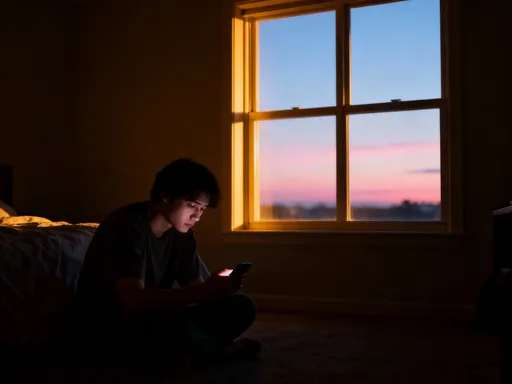
Let’s be honest—sometimes being online feels more exhausting than comforting. I used to spend evenings lying on the couch, phone in hand, watching videos of families laughing at dinner, friends hiking together, or neighbors hosting cozy backyard barbecues. Each post felt like a reminder: You’re not there. You’re not part of that. It wasn’t jealousy exactly. It was deeper—a quiet ache of missing out on something simple: belonging.
I wasn’t alone in this. Studies show that even with more ways to connect than ever, many adults—especially women in their 30s, 40s, and beyond—report feeling lonelier now than they did a decade ago. We’re connected to hundreds, maybe thousands, of people online, yet we go days without a real conversation. The irony isn’t lost on me: we carry devices in our pockets that can reach anyone, anywhere, and still feel unseen.
But here’s what shifted for me—I realized the problem wasn’t the technology. It was how I was using it. I was consuming, not connecting. I was watching life instead of living it. Social media had become a mirror that reflected my loneliness back at me, not because it was designed that way, but because I wasn’t engaging with it intentionally. Once I saw that, I started asking myself: What if I used these platforms not to compare, but to connect? What if I stopped being a spectator and started being a participant?
This wasn’t about deleting apps or going cold turkey. It was about changing my mindset. Instead of asking, Why don’t I have what they have? I began asking, Who out there might feel the way I do? That small shift—from isolation to curiosity—was the first real step toward connection.
The First Step: Saying Hello to a Stranger Online
My first real attempt at reaching out felt terrifying. I was living in a new town, still unpacking boxes, and scrolling through a local community group when I saw a post: “Looking for fellow book lovers to start a casual reading circle. No pressure, just good books and tea.” Something about that post tugged at me. I read it three times. Then I typed a reply. Then I deleted it. Then I typed it again.
Finally, I hit send: “Hi! I’m new in town and would love to join. Any chance there’s room for one more?” My heart pounded like I’d sent a love letter. I didn’t expect a reply. But within minutes, Sarah—a woman with a warm profile picture and a golden retriever in the background—responded: “Of course! So glad you reached out. We meet next Thursday at the little café on Maple.”
That message was small. But it was a door. And walking through it changed everything. The first meeting was awkward—I showed up early, clutching a novel like a shield—but within minutes, I was laughing at a joke about unreliable narrators and debating whether we should include memoirs in our picks. It felt real. Human. No filters, no performance.
What surprised me most was how easy it was to take that first step once I stopped overthinking it. Social platforms gave me a low-pressure way to say hello. No need to walk into a crowded room cold. No need to worry about body language or first impressions. Just a simple message—polite, clear, and kind. And from that one message, a friendship grew. Sarah and I now text regularly, swap book recommendations, and even hosted a joint reading weekend last summer.
If you’re hesitant to reach out, I get it. But here’s what I’ve learned: most people are just waiting for someone to say hello. They’re scrolling too, wondering if they’re the only ones feeling a little lost. A simple “I’d love to join” or “This sounds lovely—can I come?” can open a door you didn’t even know was there.
Finding Your People: Niche Communities That Feel Like Home
One of the most powerful things about today’s social platforms is how easy it is to find your tribe—not the loud, flashy tribes that dominate feeds, but the quiet, thoughtful ones that feel like home. I used to think community meant big groups, packed events, or viral trends. But the truth? The most meaningful connections often happen in the small corners of the internet.
I found this out when I joined an online group for urban gardening. At first, I just wanted tips on growing herbs in my tiny balcony. But what I found was so much more—a group of women, mostly in their 30s to 50s, sharing photos of their tomato plants, asking for advice on aphids, and celebrating tiny victories like the first bloom on a rosemary bush. There was no competition. No pressure to be perfect. Just real people, trying their best, one seed at a time.
From there, I explored other small communities: a language exchange group for learning French, a slow-living forum focused on mindful routines, and even a private Facebook group for women who had relocated for family reasons. In each, I noticed the same thing—people showed up as themselves. No filters. No scripts. Just honest conversations about challenges, joys, and everyday life.
These spaces taught me that belonging isn’t about fitting in. It’s about finding where you already fit. And the beauty of social platforms is that they make it possible to explore different communities until you find the ones that resonate with your values, pace, and personality. You don’t have to shout to be heard. You just have to show up, be curious, and stay open.
If you’re searching for your people, start small. Search for a hobby, a life stage, or even a shared challenge. Type in “working moms who love yoga” or “new residents in [your city]” or “anyone learning to bake sourdough?” You’ll be surprised how quickly you’ll find others who feel just like you. And in those shared spaces, something beautiful happens—you stop feeling like an outsider and start feeling like you’ve come home.
Turning Likes into Real Conversations
We’ve all done it—given a quick like, maybe a heart emoji, and moved on. It feels friendly, but it doesn’t build connection. I used to think engagement meant visibility. I’d post a photo of my garden and hope for likes. But the real shift came when I stopped chasing numbers and started nurturing conversations.
It started with a simple change: instead of just liking a post, I began leaving a comment. Not “Nice!” but something real—“Your tomatoes look amazing! I’m struggling with mine—any tips on sunlight?” Or “I love how peaceful your morning routine looks. Do you use a journal every day?” These small questions opened doors. People responded. Not just with answers, but with stories, suggestions, and sometimes even personal struggles.
One comment led to a DM. That DM led to a video call. That call led to a local meetup. All because I asked a genuine question. What I realized is that people don’t want perfection—they want authenticity. They want to know they’re not alone. And when you respond with curiosity instead of comparison, magic happens.
I also started sharing more of my own journey—not the highlight reel, but the real stuff. A photo of my basil plant after it got too much sun. A note about how hard it was to wake up early after my kids started school. These posts didn’t go viral. But the responses were powerful. Women I’d never met wrote to say, “Me too.” “I thought it was just me.” “Thank you for saying that.”
Those moments reminded me that connection isn’t about being the most interesting person in the room. It’s about making others feel seen. And social platforms give us a unique chance to do that—one thoughtful comment, one honest post, one real conversation at a time. You don’t need a big audience. You just need one person who feels a little less alone because of something you shared.
From Online Chats to Offline Comfort
There’s something special about taking a digital connection into the real world. I’ll never forget the first time I met members of my online gardening group in person. We planned a garden walk at a local botanical park. I was nervous—what if the conversation dried up? What if we had nothing to talk about off-screen?
Within minutes, those fears melted away. We pointed at plants, shared stories about failed experiments (my dead succulent got a standing ovation), and laughed about how we all talk to our houseplants. It felt easy. Natural. Like we’d known each other for years. And in a way, we had—we just hadn’t met in person yet.
That gathering sparked a monthly tradition. Now, we rotate hosting—someone’s backyard, a community garden, even a picnic in the park. These meetups aren’t fancy. No agendas, no speeches. Just women, growing things and growing closer.
Another online group—this one for French learners—led to a weekly coffee hour at a quiet café. We practice speaking, stumble over verbs, and mostly just enjoy each other’s company. One member even started hosting small dinner parties, inviting a few of us to cook French-inspired meals together. The food isn’t always perfect, but the laughter is real.
Moving from online to offline doesn’t have to be formal or intimidating. Start small. Suggest a coffee. Propose a walk. Host a low-key gathering. The key is to keep it simple and safe. Meet in public, bring a friend if you’d like, and trust your instincts. Most importantly, go with the intention to connect, not to impress. The real beauty of these moments is that they’re not about performance—they’re about presence.
And when you do meet in person, something shifts. The digital connection deepens. The texts feel warmer. The support feels stronger. You realize that the person behind the screen is someone you can hug, share a meal with, and lean on when life gets hard. That’s the real power of technology—not replacing real life, but making it richer.
Building Confidence Through Small Digital Wins
I’ll admit it: I didn’t used to see myself as a “social” person. After a few years of staying home with my kids and then moving to a new city, I felt out of practice. Conversations felt heavy. Social events felt overwhelming. I doubted whether I had anything interesting to say.
What helped me rebuild that confidence wasn’t a big speech or a dramatic change—it was a series of small, quiet wins online. The first time someone replied to my comment with, “That’s such a good point!” The first DM that said, “I’ve been meaning to reach out—your post really resonated with me.” The first time I hosted a short video chat for our book club and everyone showed up.
These moments weren’t viral. No one wrote a headline about them. But to me, they mattered. Each one was a reminder: You have something to offer. You are seen. You belong. And over time, those little affirmations added up. I started feeling more comfortable sharing, more willing to reach out, more open to new connections.
Social platforms became a safe space to practice being social. I could take my time crafting a message. I could read and re-read before hitting send. I could step away if I felt overwhelmed. There was no pressure to be “on” all the time. And because the stakes were low, I could take risks—share a personal story, ask a vulnerable question, suggest a meetup—without fear of failure.
If you’re rebuilding your confidence after a life change—a move, a career shift, a period of isolation—know this: small digital interactions can be powerful tools for growth. Each message you send, each comment you leave, each group you join is a step toward feeling more connected and capable. You don’t have to be the loudest voice. You just have to be willing to speak up, even softly. And with time, your voice will grow stronger.
Staying Grounded: Using Platforms with Purpose
Today, I use social platforms differently. Not as an escape, not as a highlight reel, but as a tool for connection. I’ve learned to set boundaries that protect my peace. I turn off notifications after 8 p.m. I unfollow accounts that make me feel inadequate. I mute groups that turn into gossip circles. And I schedule screen-free mornings to start my day with quiet, not scrolling.
These habits aren’t about rejecting technology. They’re about using it with intention. I’ve found that when I go online with a purpose—“I want to check in on my gardening group” or “I’d like to see if Sarah posted a new book recommendation”—my experience is richer. I feel more in control. Less reactive. More present.
I also make time to disconnect. Every Sunday, I leave my phone in another room for a few hours. I read, garden, or just sit with a cup of tea. Those quiet moments help me remember who I am outside of the screen. And when I do go back online, I bring that grounded energy with me.
Most importantly, I’ve learned to measure success not by likes or followers, but by how I feel after using a platform. Do I feel uplifted? Connected? Inspired? Or do I feel drained, anxious, or compared? That emotional check-in has become my compass. If an app or group consistently leaves me feeling worse, I adjust. I mute, I limit time, or I leave. And that’s okay.
Technology, at its best, should serve us—not distract us, not exhaust us, not make us feel less than. When used with care and clarity, social platforms can be a quiet companion in our daily lives—a way to find friends, grow confidence, and feel at home, even when everything around us is changing.
So if you’ve ever felt alone in a world that seems too loud, too fast, too perfect—know this: you’re not broken. You don’t need to fix yourself. You just need to reach out, in your own way, at your own pace. Start with a message. Join a group. Ask a question. Share a story. The right people are out there, waiting—not for a perfect version of you, but for the real one. And sometimes, the bravest thing we can do is simply say hello.